Scientific Course Highlights the Relationship Between Leaders and Subordinates in the Holy Qur’an
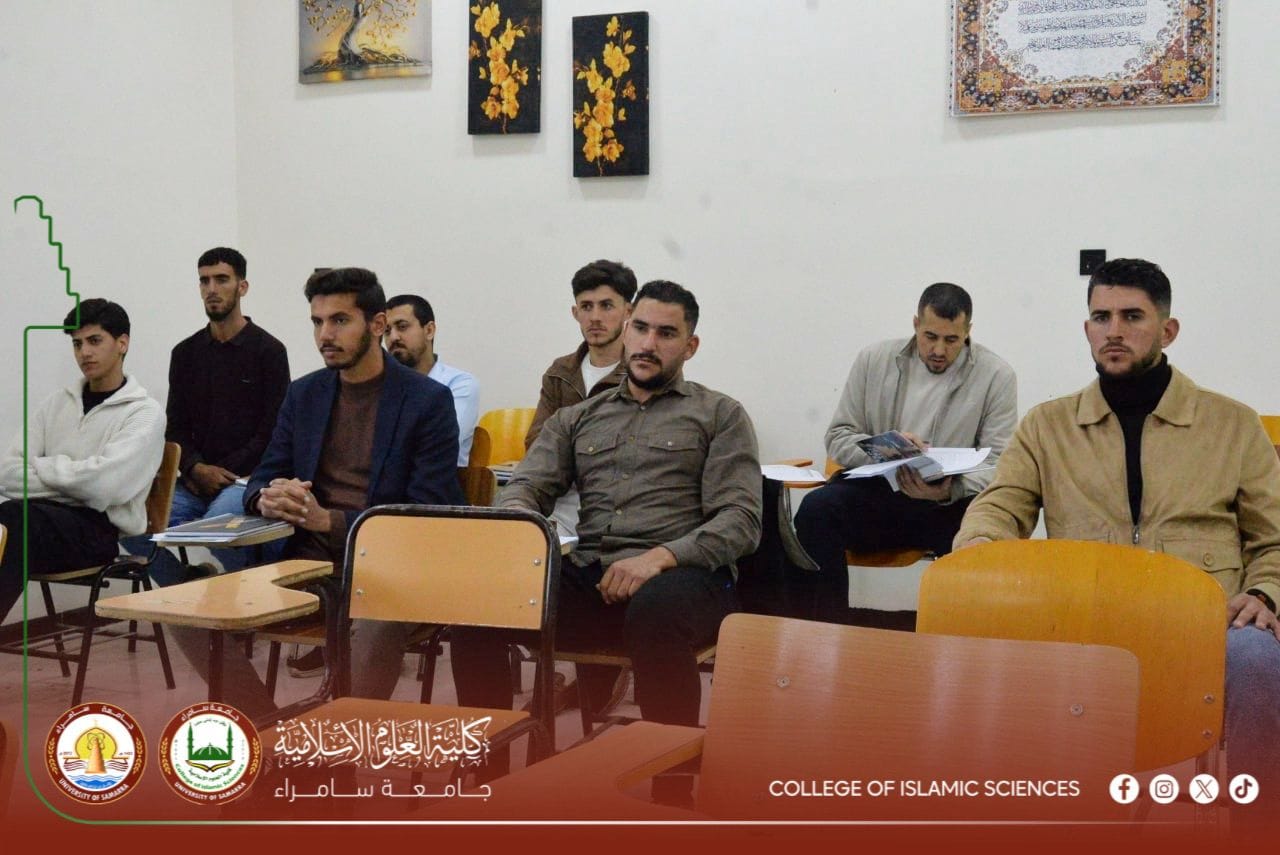
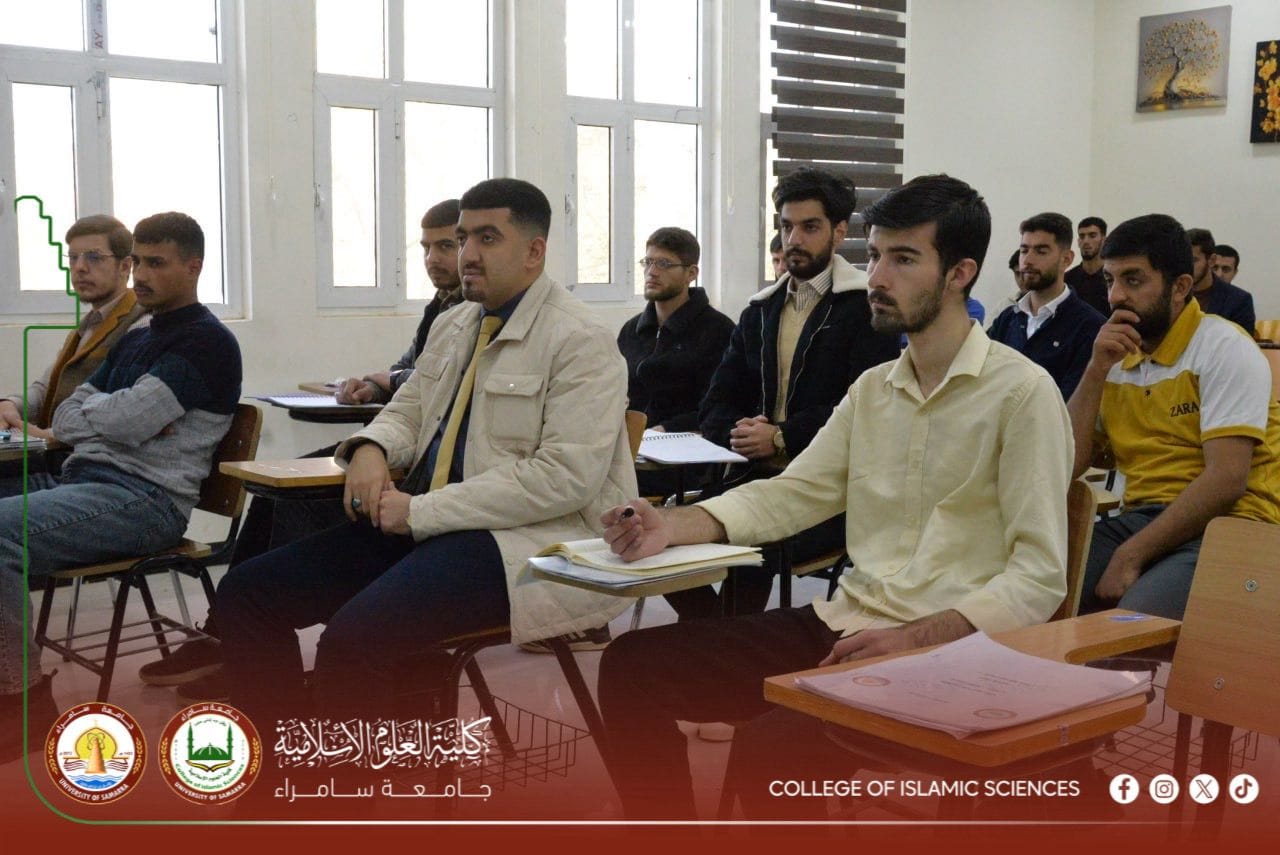
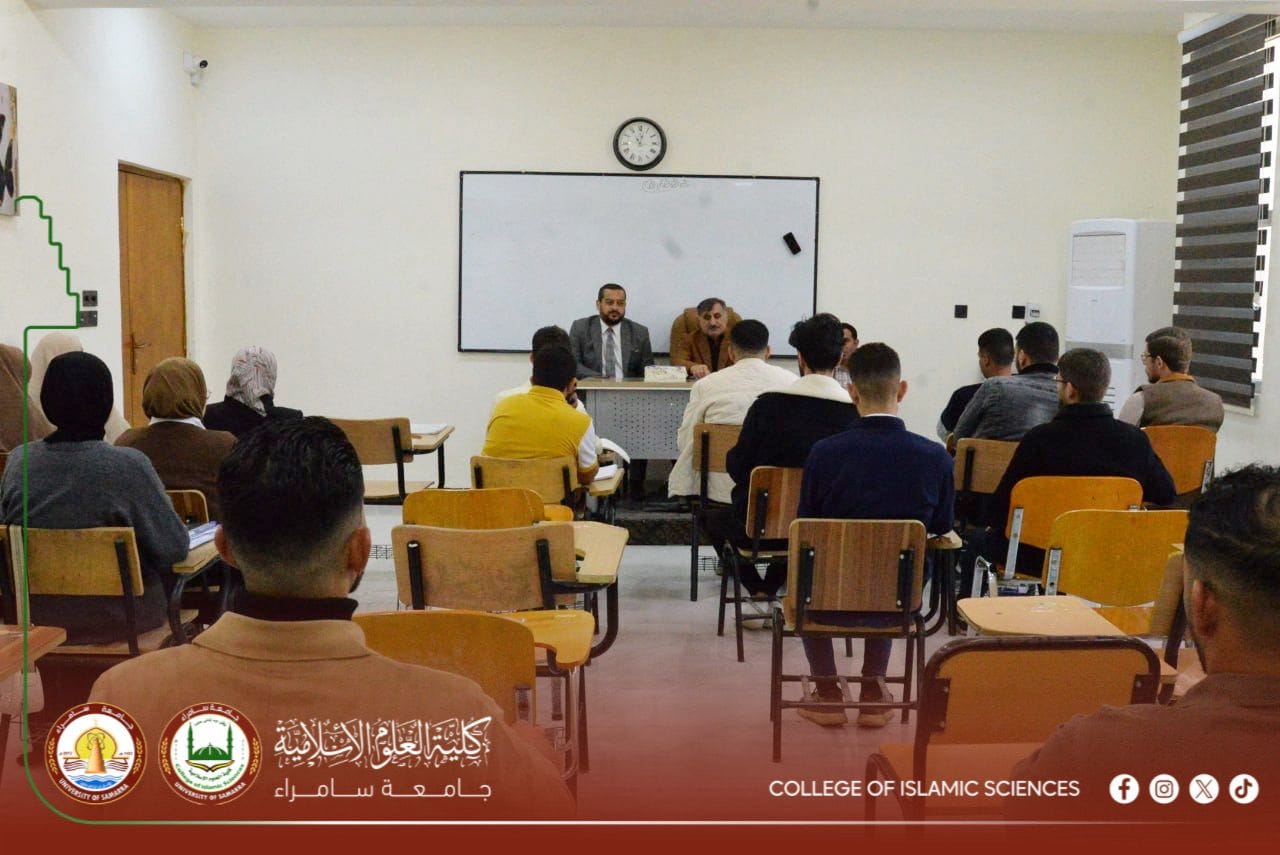
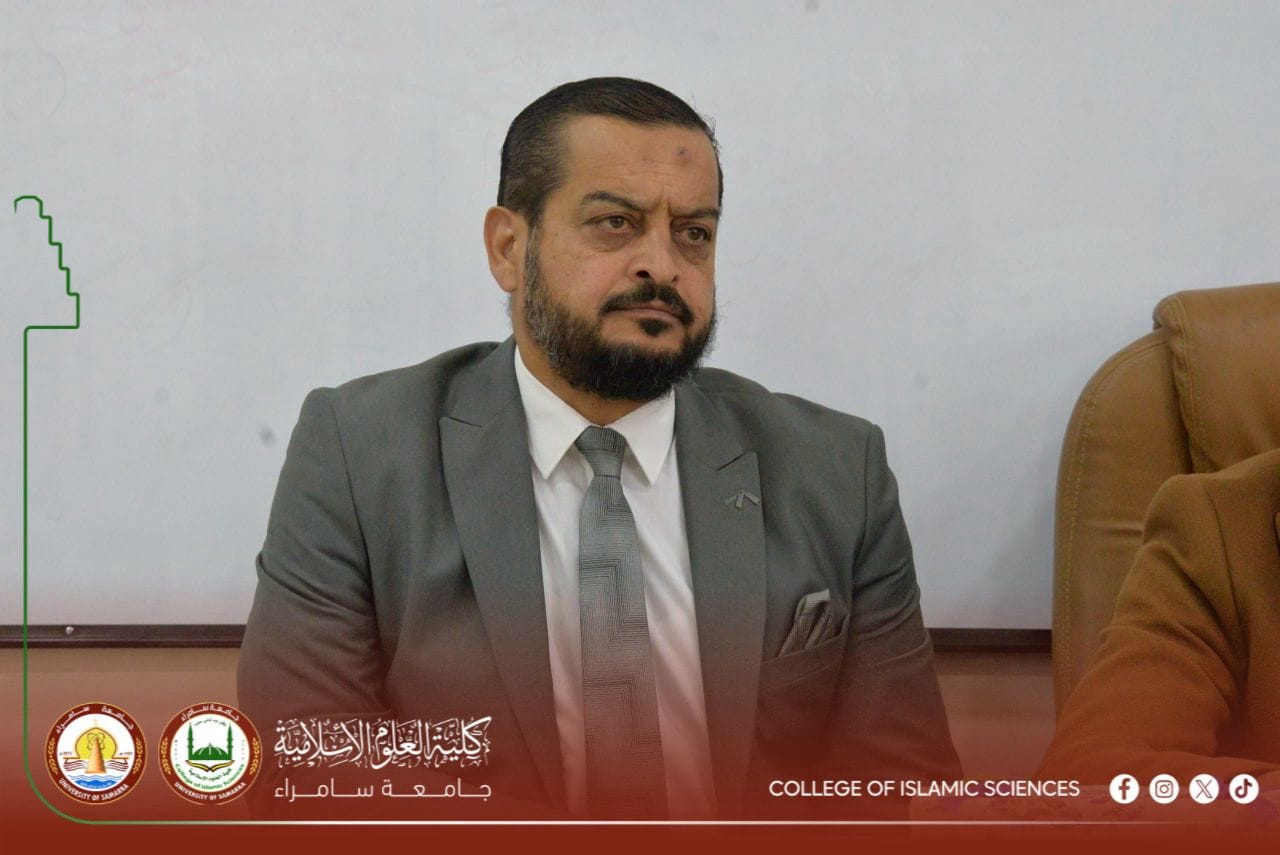
A group of academics—Dr. Adnan Mahdi, Dr. Shaalan Laheeb, Dr. Ahmed Shallal, and Dr. Hammadi Ali Hammadi—organized a two-day scientific course titled:
“The Relationship Between Leaders and Subordinates in the Holy Qur’an: ‘And stop them; indeed, they are to be questioned’.”
This course was held as part of academic activities aimed at promoting awareness of Qur’anic values in regulating human relationships.
The course aimed to clarify the concept of the relationship between leaders and subordinates as presented in the Holy Qur’an, through analyzing the implications of the verse: “And stop them; indeed, they are to be questioned,” and the profound meanings it carries in establishing the principles of responsibility and accountability.
The sessions addressed how the Qur’an organizes various human relationships, including those between parents and children, spouses, individuals and society, and even relations between nations. Special focus was given to the leader–subordinate relationship and the mechanisms of adhering to directives and commands within the framework of Islamic legal guidelines.
The lecturers emphasized a key principle in this context: obedience to authority is conditional upon compliance with divine law, citing the established Islamic maxim: “There is no obedience to a created being in disobedience to the Creator.”
The course also examined several relevant Qur’anic verses, including: “Our Lord, indeed we obeyed our leaders and our elders, and they led us astray from the path,” in addition to referencing a number of Prophetic hadiths that affirm the shared responsibility between leaders and followers.
The course concluded with active academic engagement from participants, who highlighted the importance of such initiatives in enhancing religious and intellectual awareness and in reinforcing ethical values within workplaces and academic institutions.