The Family in Islam and Its Role in Protecting Rights
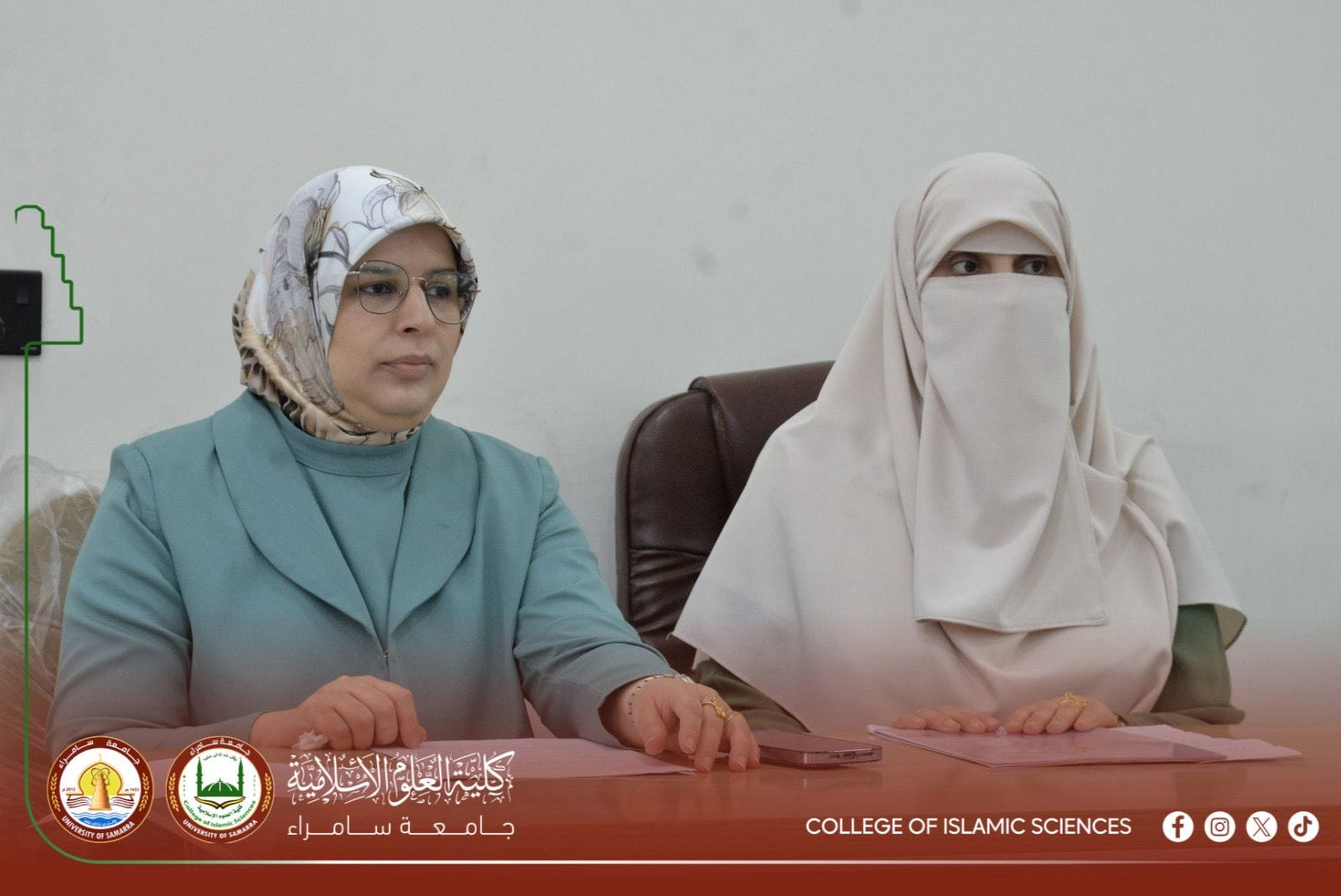
The Human Rights Unit at the College of Islamic Sciences organized a scientific course titled “The Family in Islam and Its Role in Protecting Rights.” The course highlighted the importance of the family as the fundamental building block of society and its significant role in establishing moral and humanitarian values that contribute to the well-being of society and the advancement of the Islamic nation.
The course also explained the care that Islamic Sharia gives to the family, beginning with the proper selection of spouses and the necessity of building a family based on affection and mercy. It emphasized raising children on sound principles through understanding rights and responsibilities, instilling devotion to Allah, honoring parents, respecting elders, preserving public and private property, and fulfilling the rights of neighbors and society.
Furthermore, the course addressed the importance of providing a suitable psychological, moral, and health environment for family members, while emphasizing care for people with special needs and the elderly. It also highlighted Islam’s concern for preserving lineage through the legislation of the waiting period (‘iddah) and the prohibition of adoption, in addition to encouraging children to complete their educational journey so that they may become beneficial members of society who contribute to its protection and development.
The course affirmed that a righteous family represents the strong fortress of society, from which values and principles emerge to safeguard rights and preserve human dignity.