Department of Creed and Islamic Thought Organizes a Scientific Course on Warning and Purification: Ar-Rijs and Ar-Rijz in the Holy Qur’an
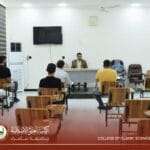
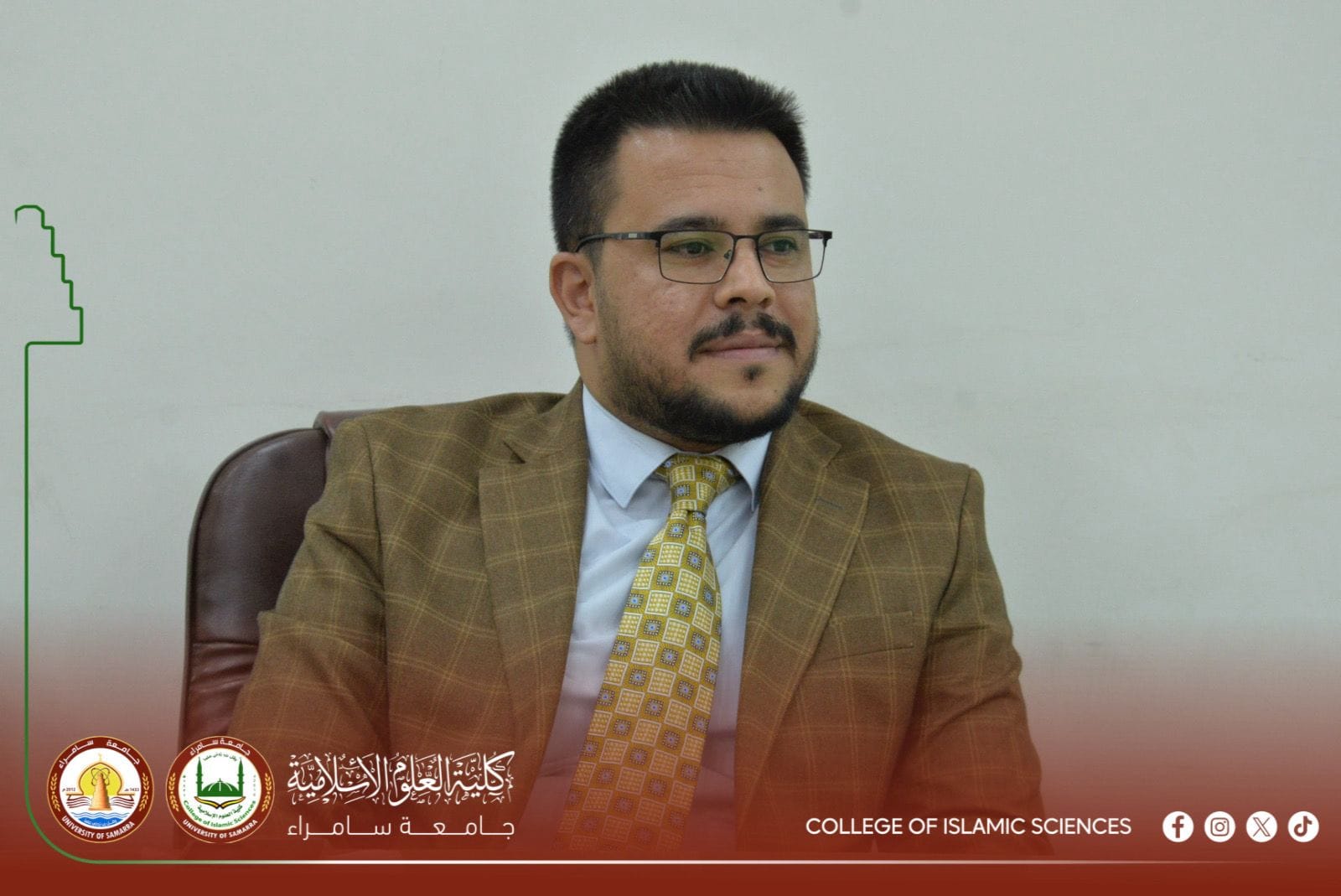
The Department of Creed and Islamic Thought at the College of Islamic Sciences, University of Samarra, organized a scientific course entitled “Warning and Purification: Ar-Rijs and Ar-Rijz in the Holy Qur’an – A Thematic Exegetical Study.” The course was delivered by a group of faculty members from the department and aimed to highlight the semantic differences between the Qur’anic terms Ar-Rijs and Ar-Rijz through a thematic exegetical study based on the views of leading Qur’anic commentators. It also clarified the linguistic and legal meanings of both terms and their impact on doctrinal and exegetical understanding of the Qur’anic text.
The course examined the linguistic roots of the two terms and highlighted the rhetorical miracle of their usage in Qur’anic verses. It explained the distinctions between them in terms of meaning and context and connected their linguistic implications with their legal and doctrinal significance, thereby contributing to the development of students’ interpretive skills and deepening their understanding of the objectives of the Holy Qur’an in matters of creed and conduct.
The course emphasized that the Holy Qur’an presents a comprehensive methodology for spiritual purification and for warning mankind against everything that may corrupt faith, behavior, and human nature. The use of the terms Ar-Rijs and Ar-Rijz in various doctrinal, legislative, and ethical contexts reflects the precision of Qur’anic expression and its rhetorical excellence, while also highlighting its role in building the character of the believer and purifying society from manifestations of deviation.
In addition, the course discussed the concepts of Ar-Rijs and Ar-Rijz linguistically and terminologically, clarified their semantic differences in the Qur’an, explored the educational dimensions of warning against them, and examined the impact of spiritual purification in refining both the individual and society. These concepts were linked to the Qur’anic objectives of establishing sound belief and reforming behavior.
The course concluded with several scholarly outcomes, most notably enabling students to accurately distinguish between the meanings of Ar-Rijs and Ar-Rijz, understand the related Qur’anic verses in light of classical exegesis, and strengthen their ability to derive doctrinal and educational lessons from Qur’anic texts, thereby enhancing interpretive awareness and a sound understanding of the objectives of the Holy Qur’an.