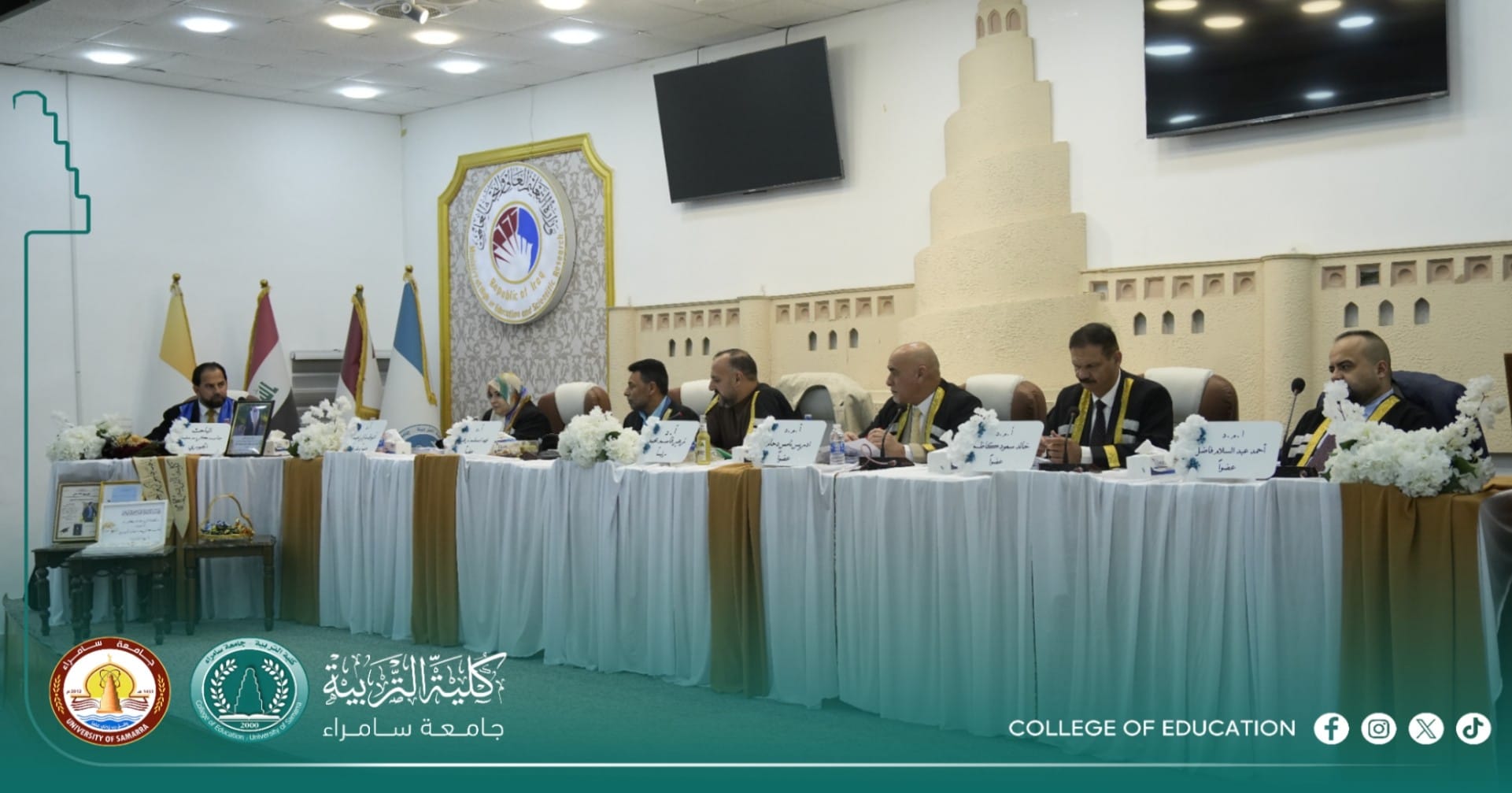
The History Department is discussing a doctoral dissertation on Iranian–Omani political relations
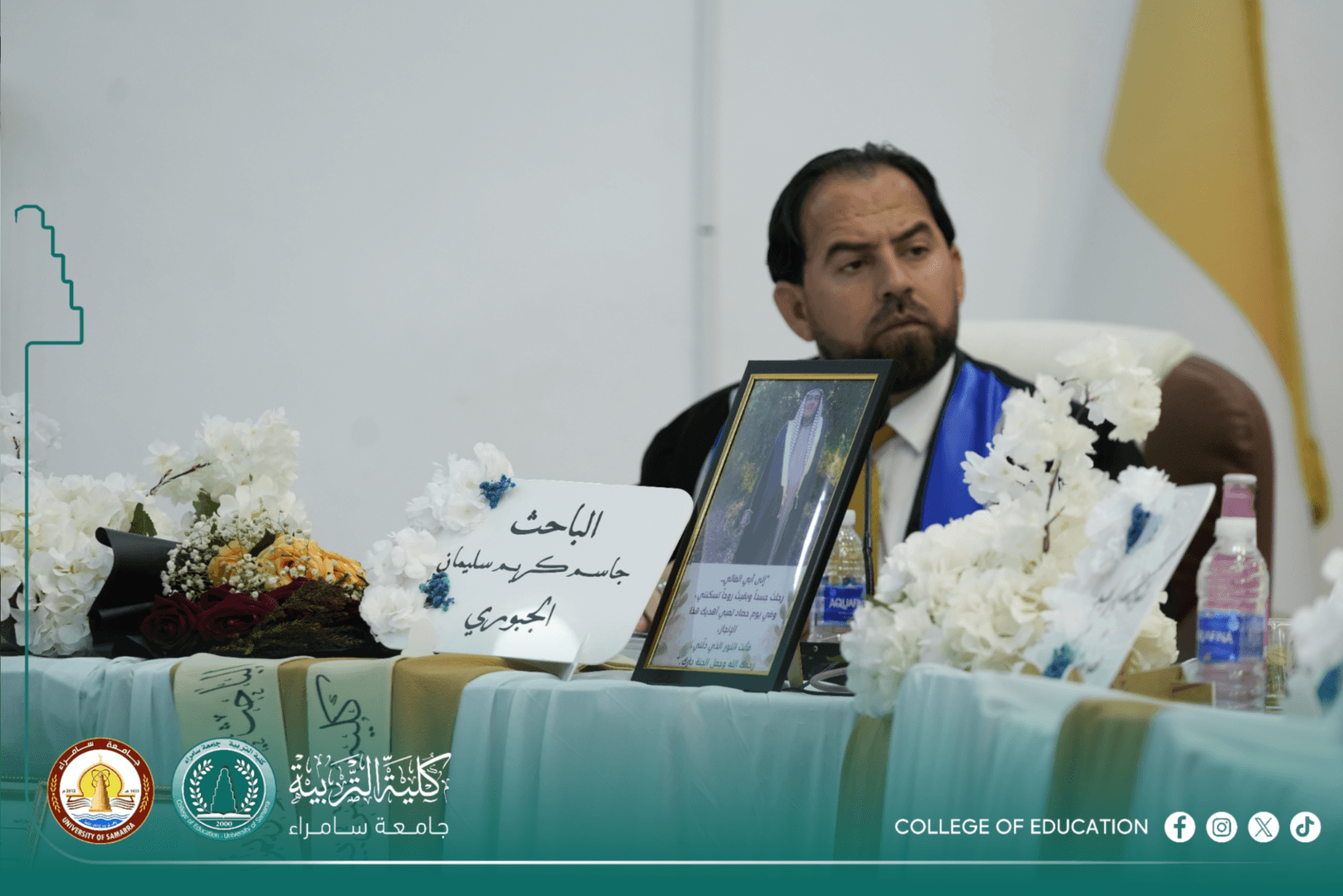
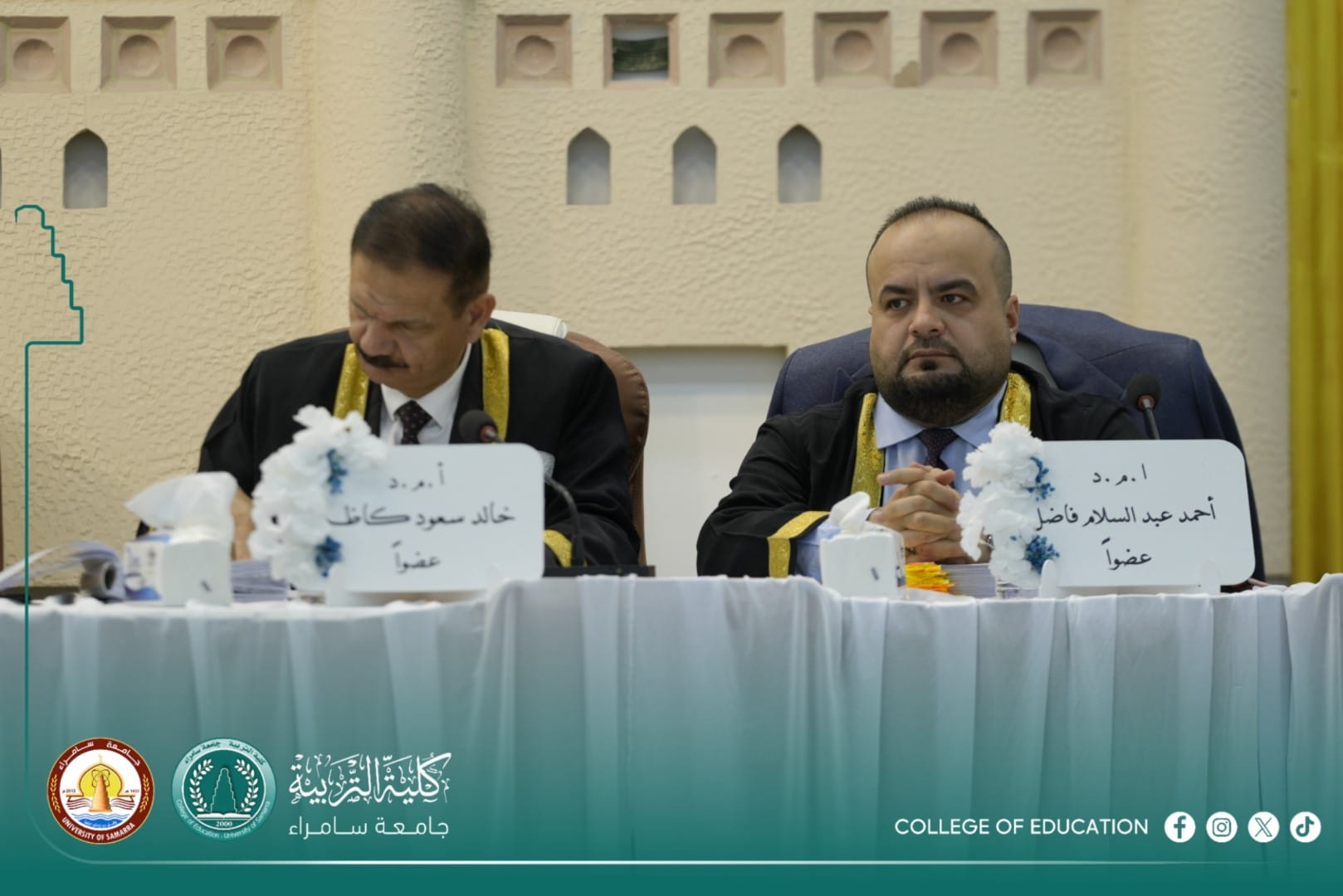
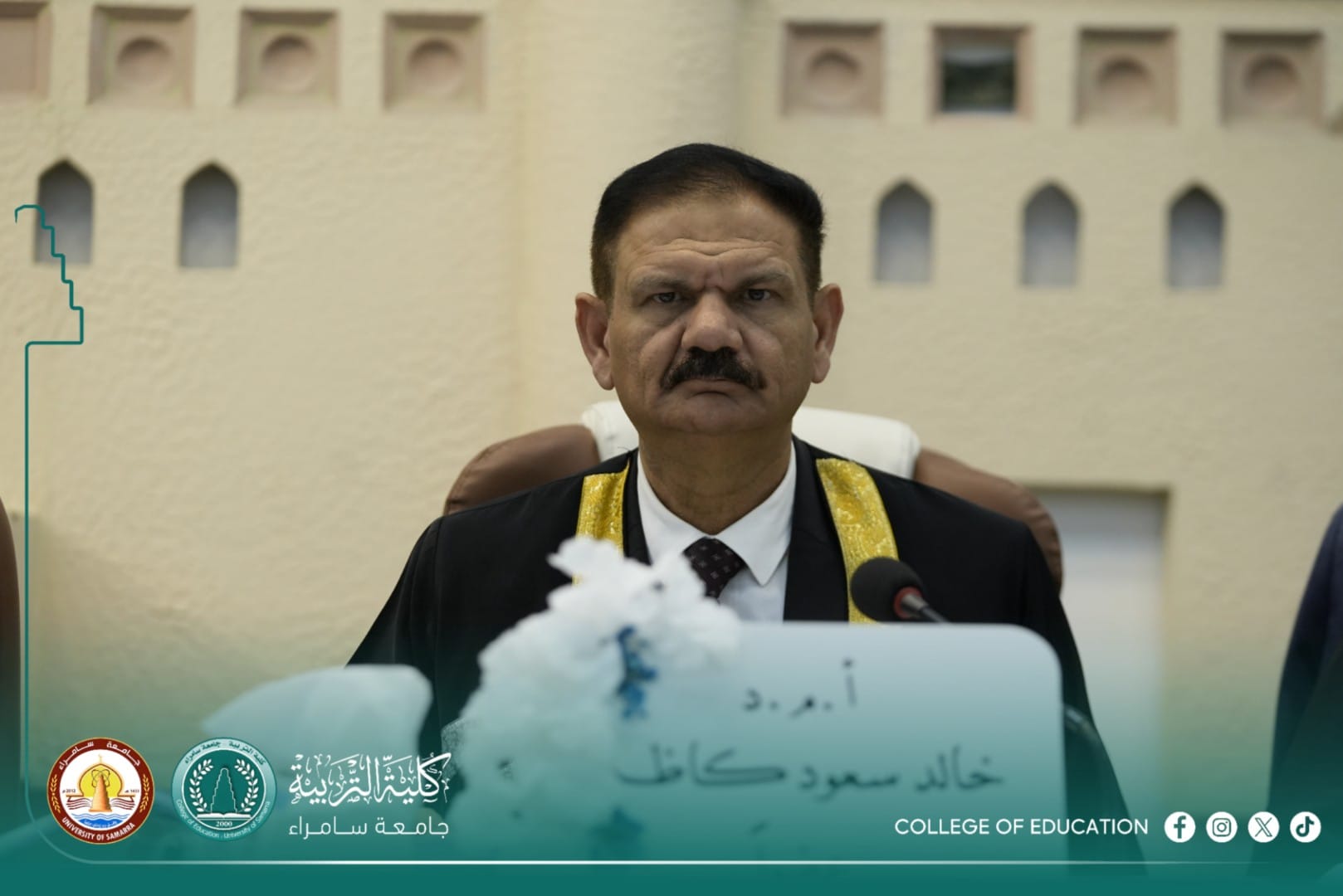
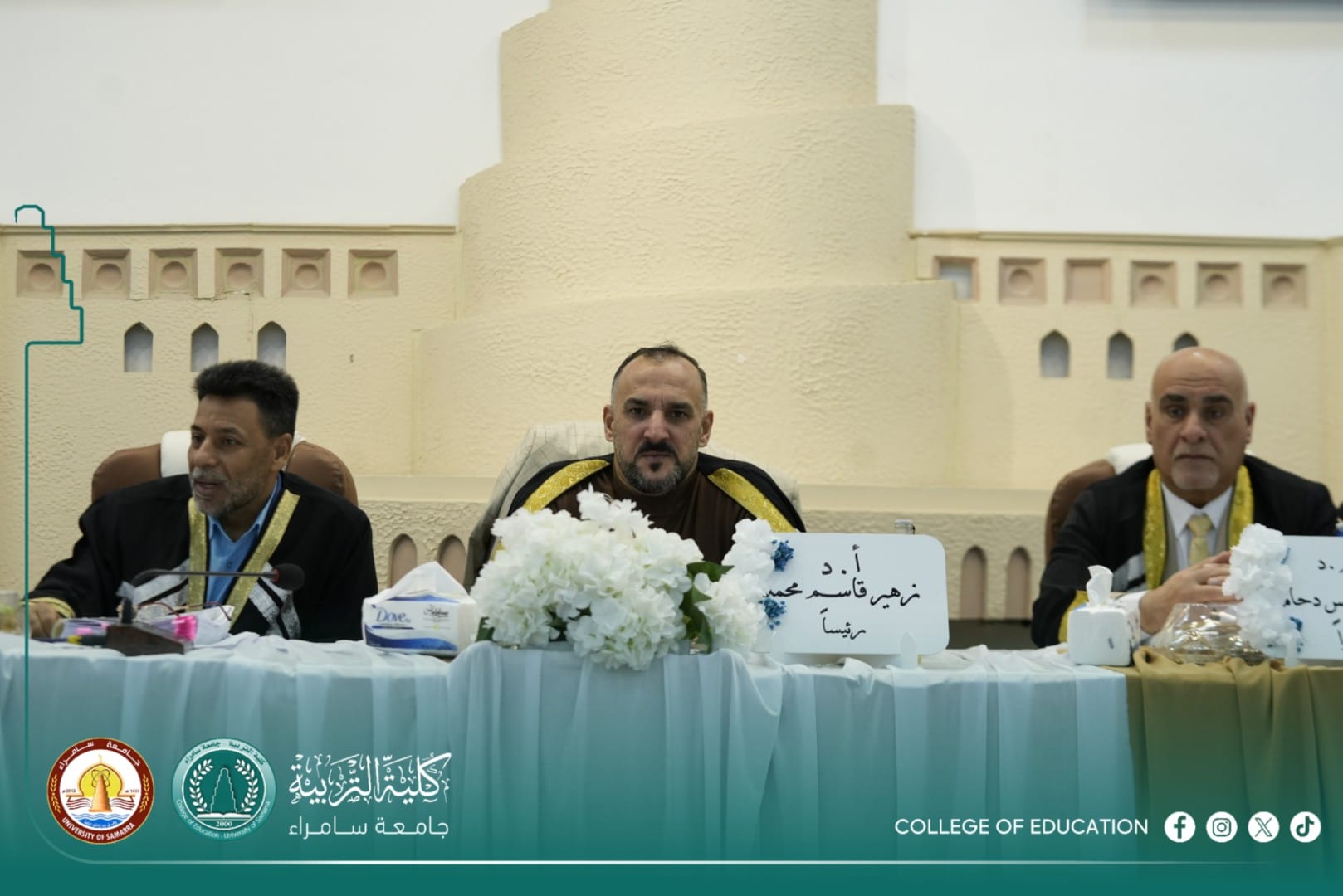
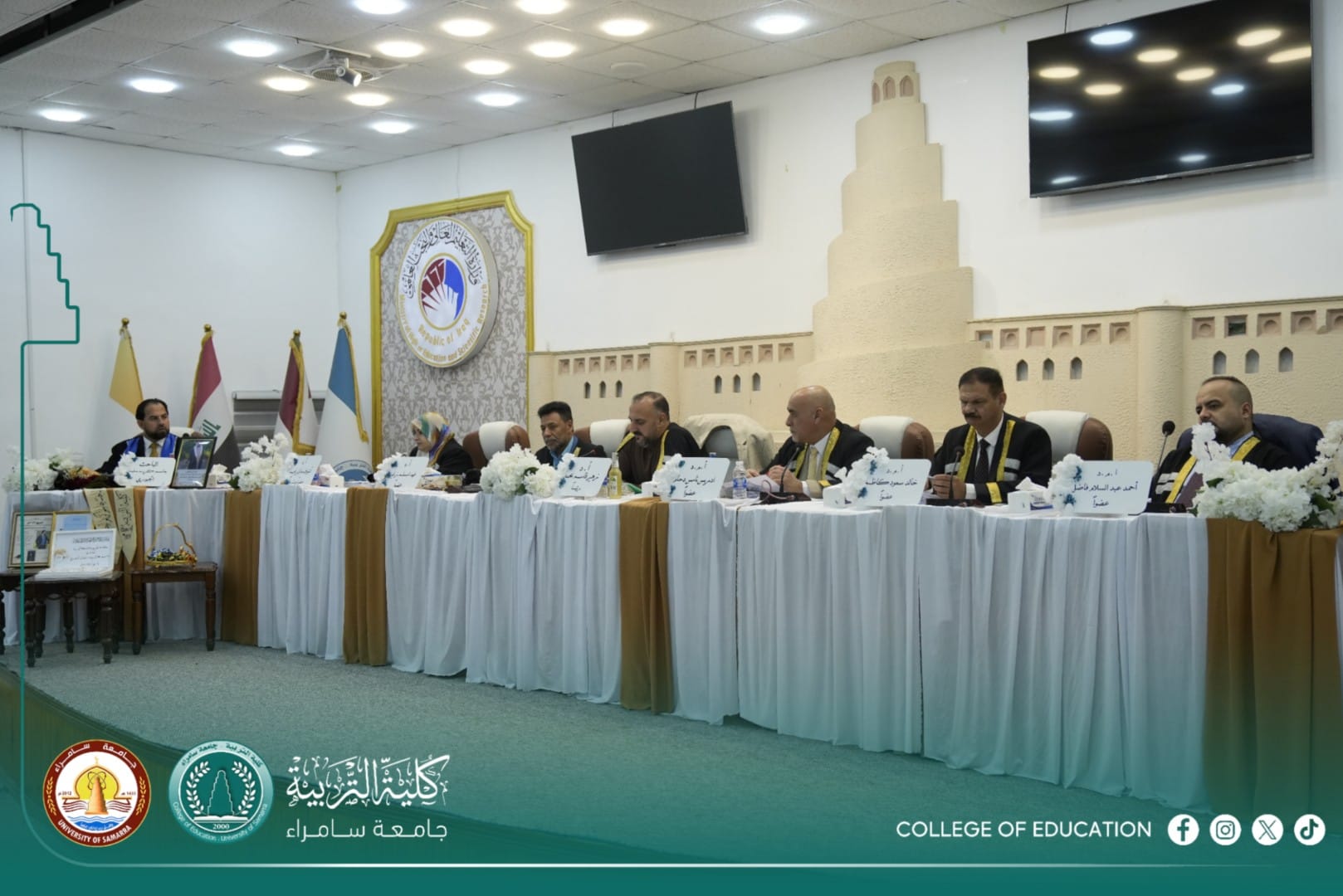
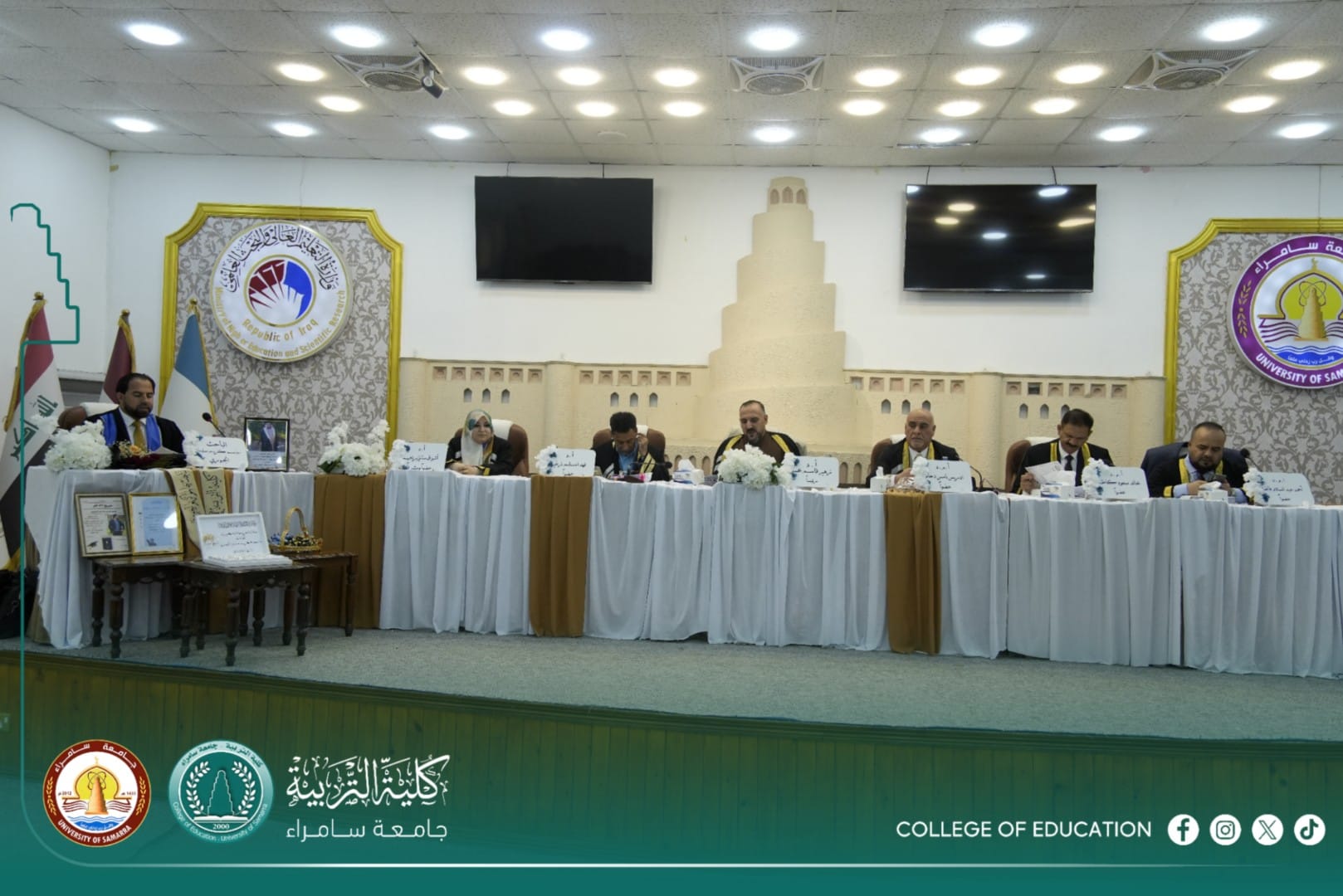
The Department of History at the College of Education for Human Sciences, University of Samarra, discussed a doctoral dissertation by researcher Jassim Karim Suleiman entitled “Iranian–Omani Political Relations (2003–2020).”
The researcher sought to analyze the nature of political relations between Iran and the Sultanate of Oman, drawing on their historical roots, while tracing their developments during the period (2003–2020), which was marked by profound political and security transformations in the Middle East—beginning with the U.S. invasion of Iraq, passing through the repercussions of the so-called Arab Spring, and culminating in the complexities of the Iranian nuclear issue.
Within this context, the researcher presented an analytical reading of Oman’s role in regional and international mediation, as it contributed to opening unofficial channels of dialogue between Iran and the United States, paving the way for understandings regarding the nuclear file during the period (2009–2015), in addition to its efforts to ease tensions and reduce the likelihood of military escalation in the region.
On another level, the researcher clarified the nature of the political positions of both countries toward regional issues. Oman adopted a policy of neutrality and non-interference, focusing on peaceful solutions, in contrast to Iran’s active involvement in several regional crises. This, in turn, affected the level of relations within the Gulf Cooperation Council, particularly with regard to the unity of positions toward shared challenges.
In conclusion, the researcher demonstrated that Iranian–Omani relations have maintained a degree of stability and balance, driven by mutual interests and a flexible diplomatic approach, despite differences in perspectives on certain regional issues, making them a distinctive model for managing relations between two states in a complex regional environment.