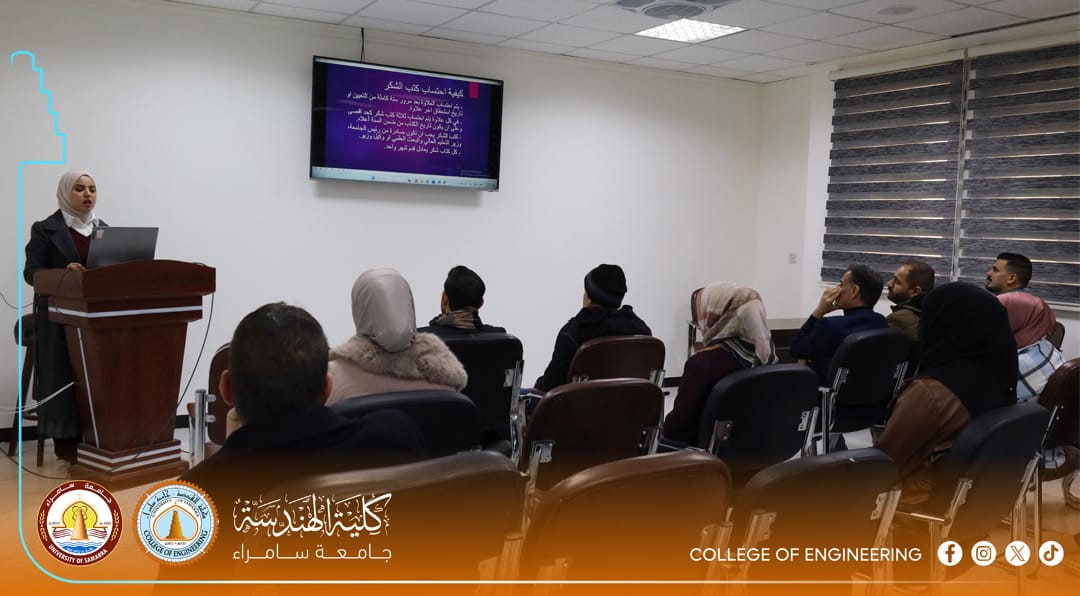
College of Engineering Organizes a Specialized Workshop on Legal Regulations for Annual Increments and Job Promotions
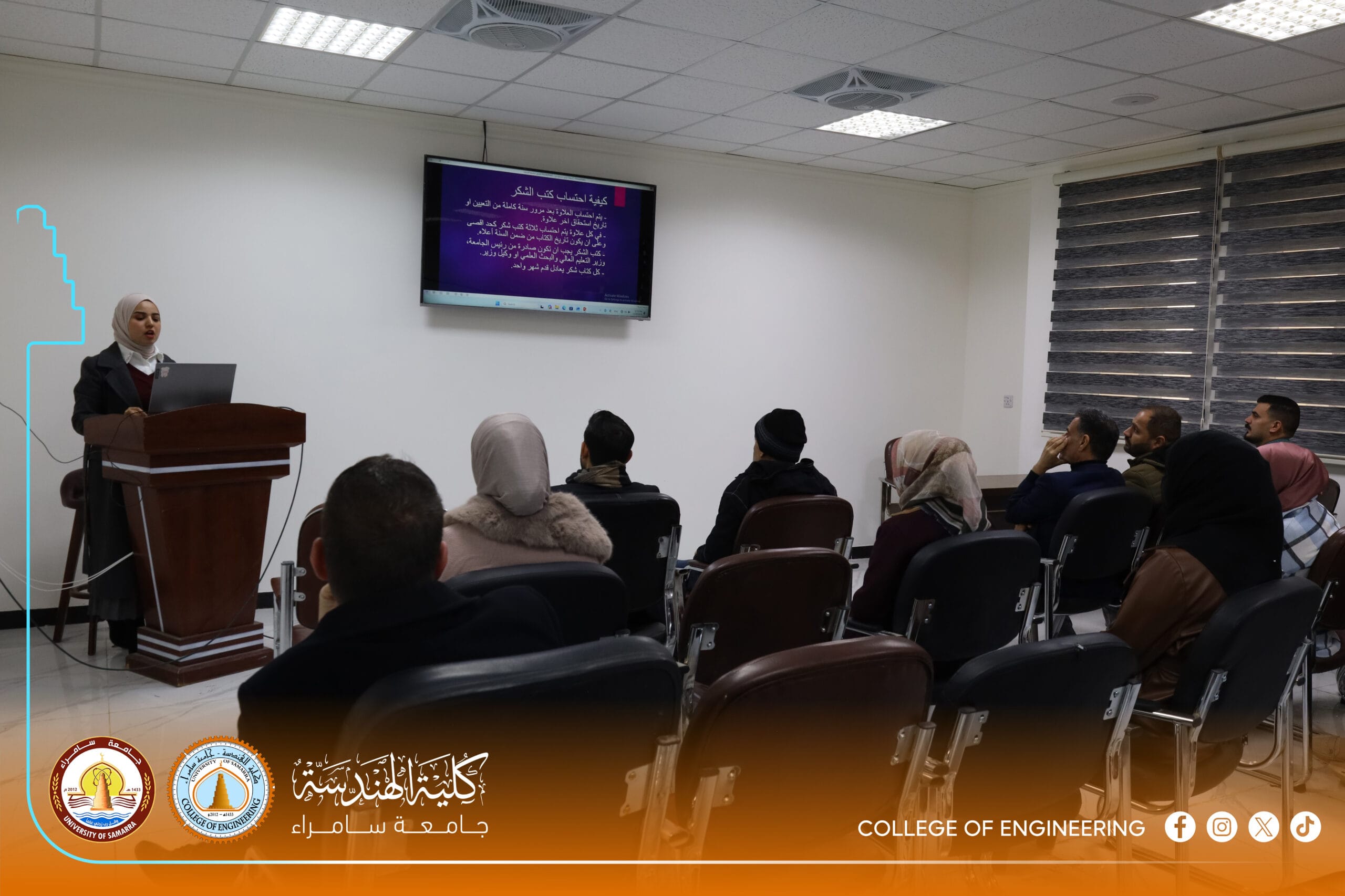
The College of Engineering at the University of Samarra organized a specialized workshop titled “Requirements for Annual Increments and Job Promotions.”
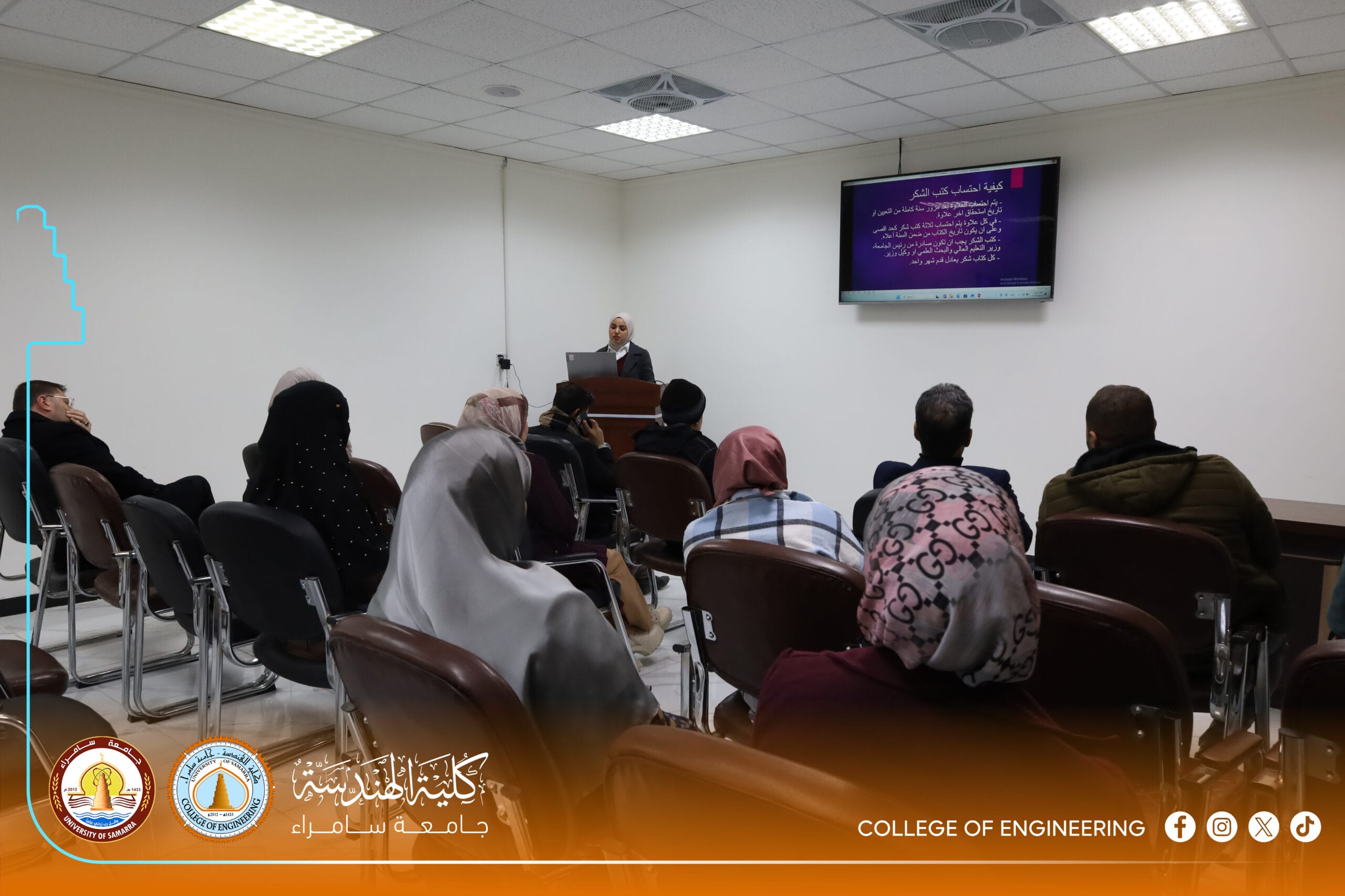
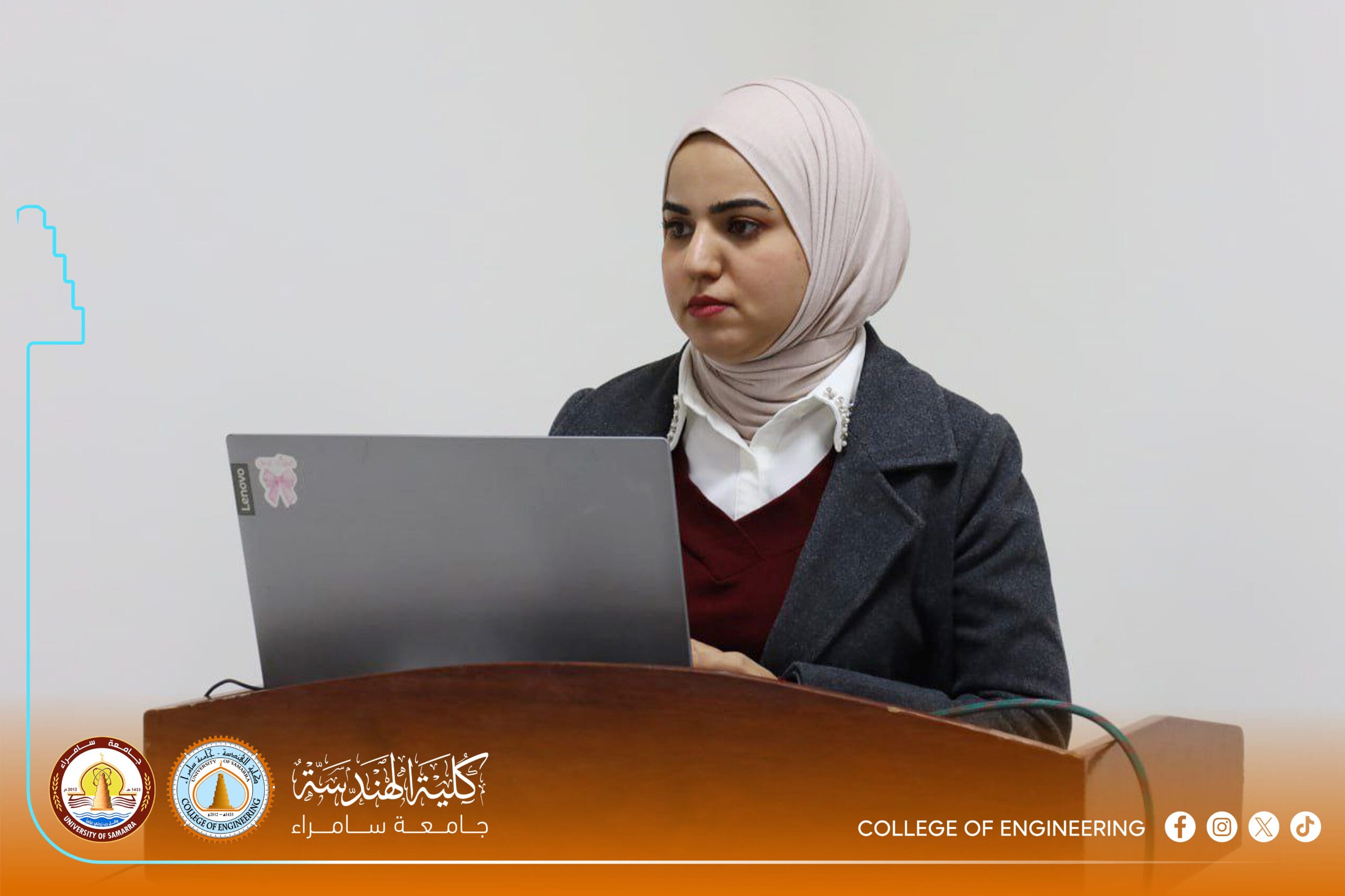
The session was presented by Eng. Rusul Hamed Ayoub, Head of the Increments and Promotions Unit in the Human Resources Department, to highlight the legal regulations governing the professional career path.
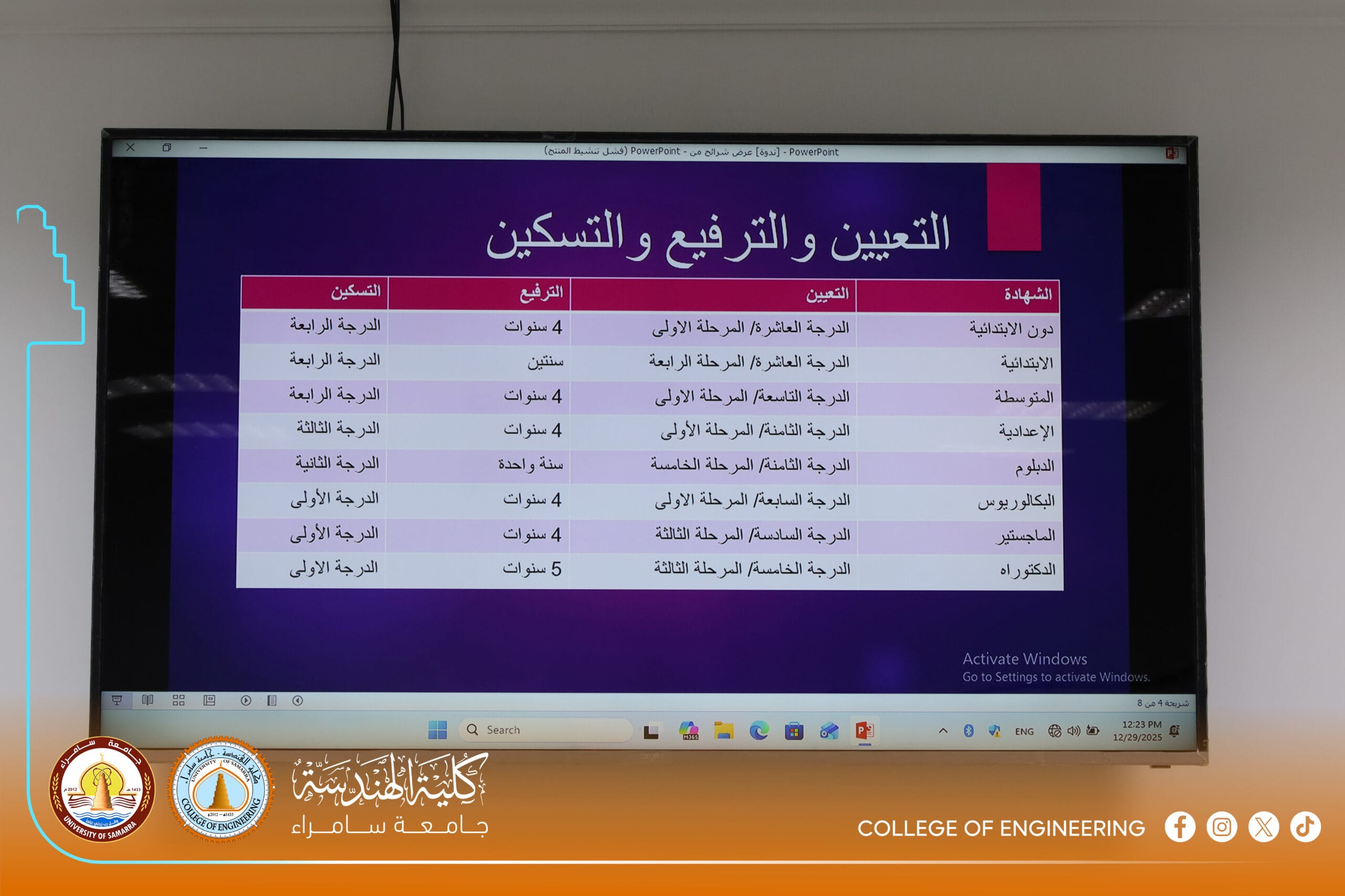
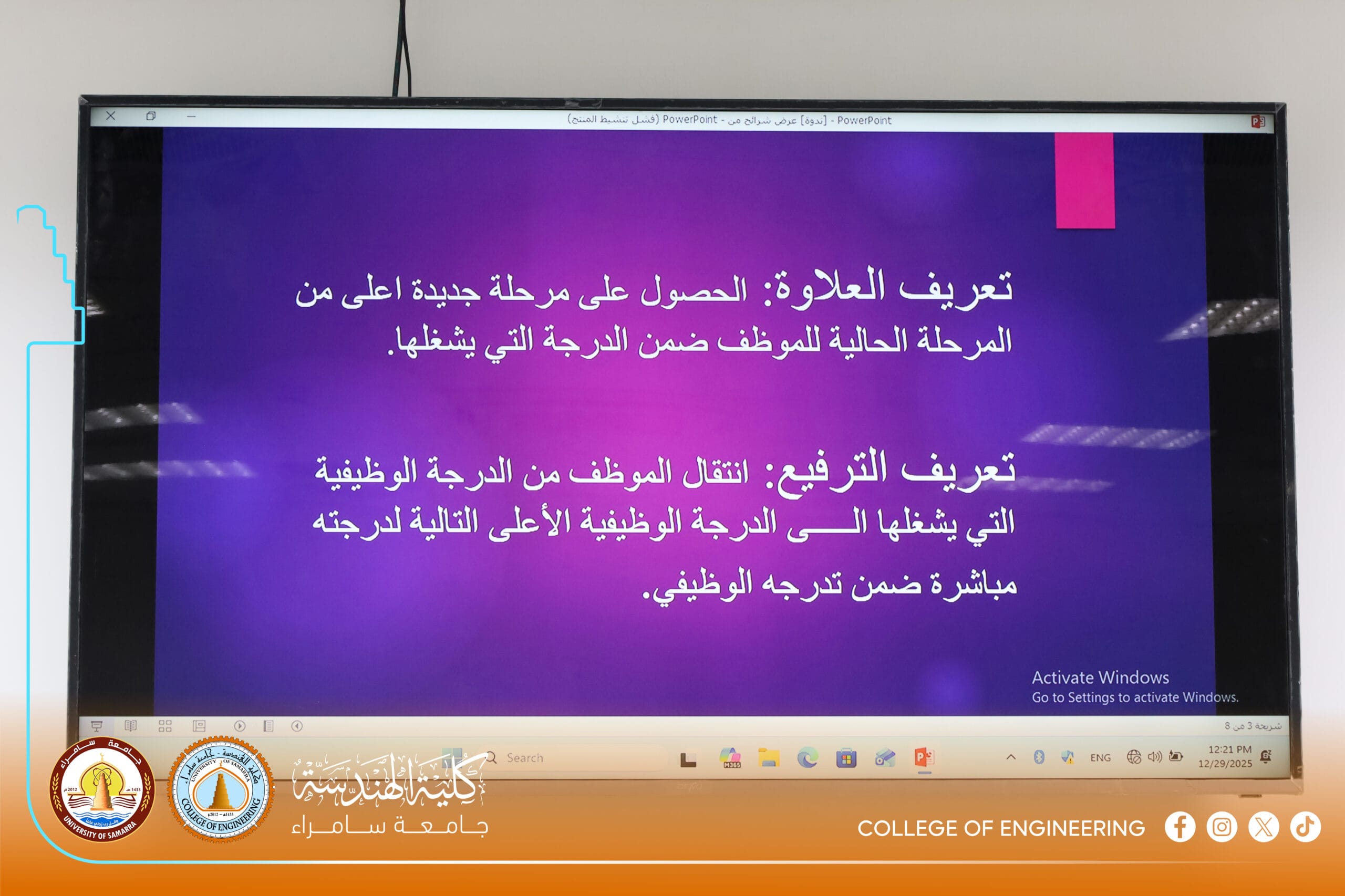
The presenter reviewed the fundamental differences between an “Increment” (the advancement of steps within the same grade) and a “Promotion” (the transition to a higher job grade). She also clarified the mechanisms of job placement (Taskeen) and appointment based on academic qualifications.
The workshop precisely detailed the conditions for granting annual increments and how to utilize letters of appreciation issued by the Minister of Higher Education or the University President. These letters grant an employee a one-month seniority credit for each letter, with a maximum of three letters per year.
At the same time, Ayoub detailed the promotion requirements, which include completing the minimum service periods—ranging from four to five years depending on the job grade—as well as passing mandatory training courses and submitting formal written requests.
The workshop concluded by reviewing variables that affect the timeline of entitlements. Obtaining postgraduate degrees or academic promotions contributes to accelerating the promotion date and grants a full year of seniority. Conversely, disciplinary actions and unpaid leaves were highlighted as legal grounds for delaying annual increment eligibility.
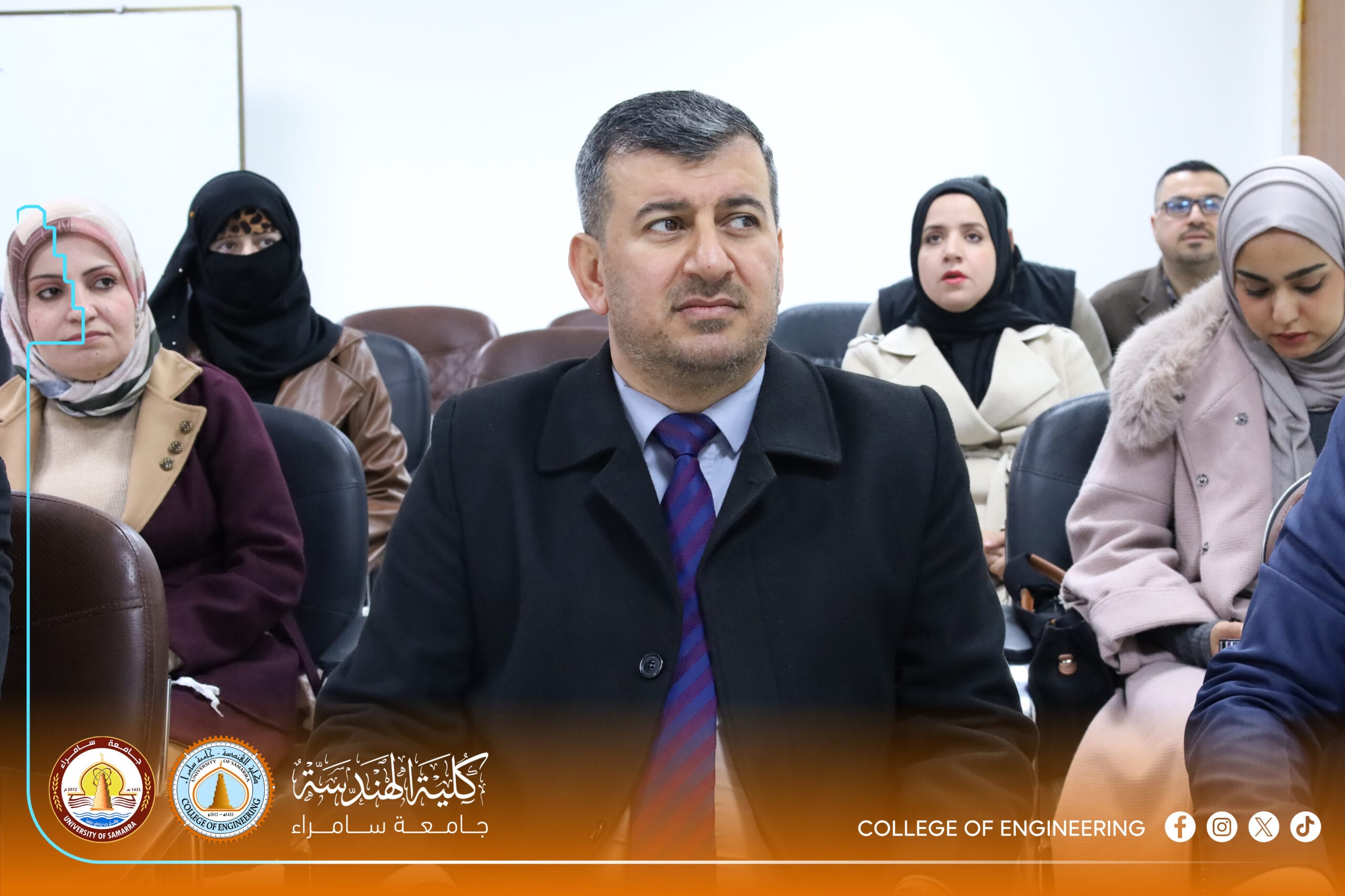
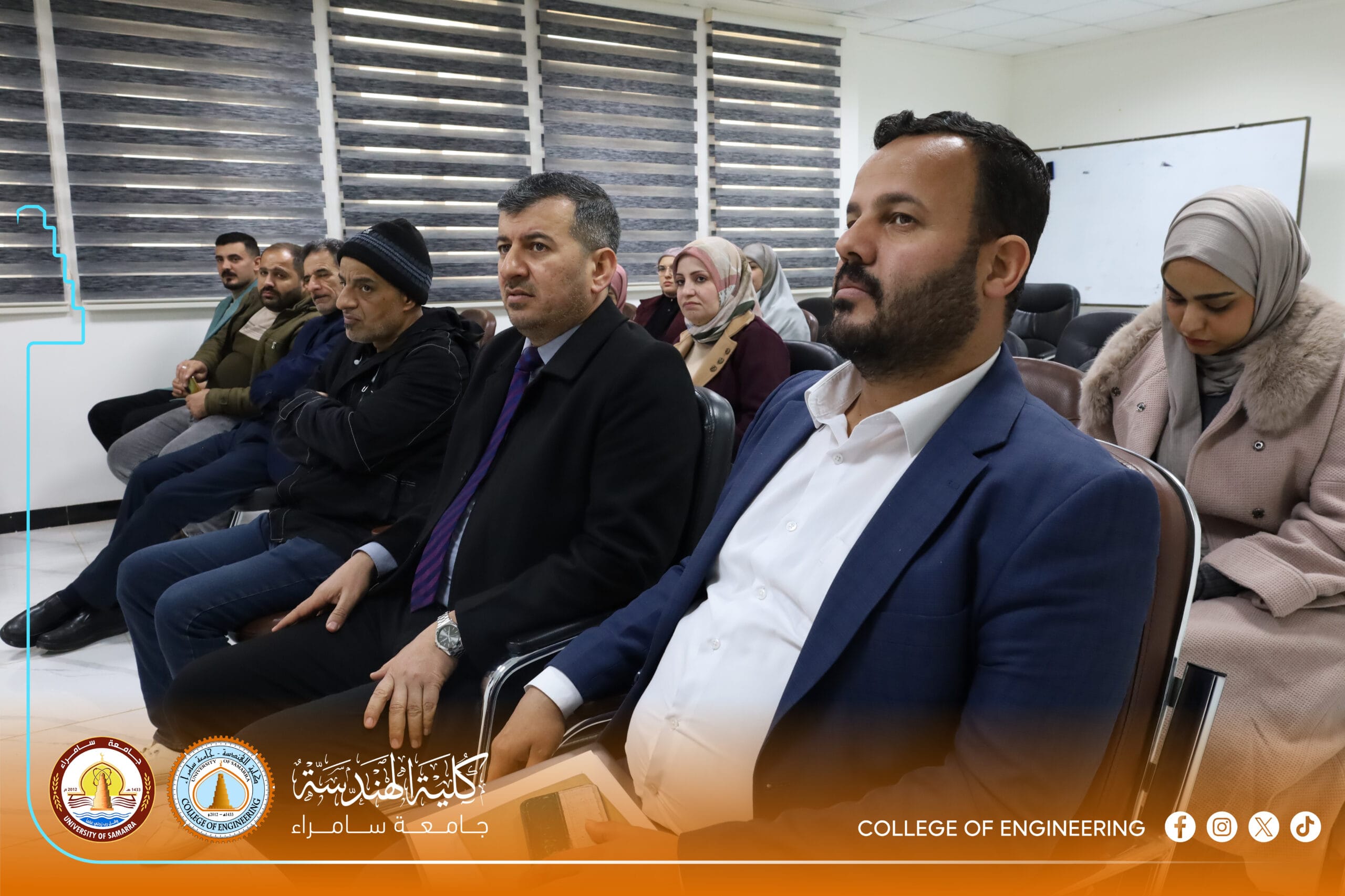
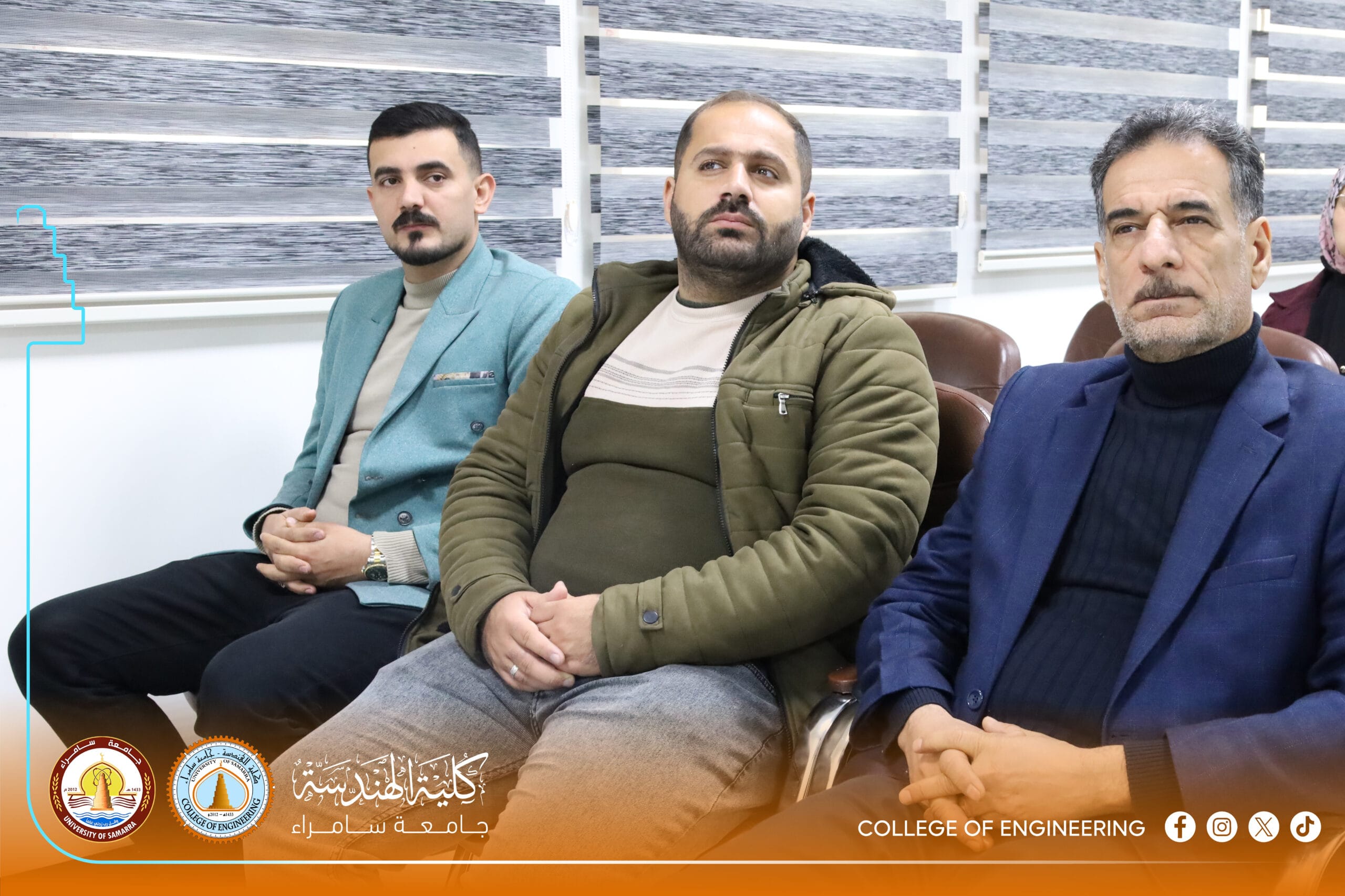
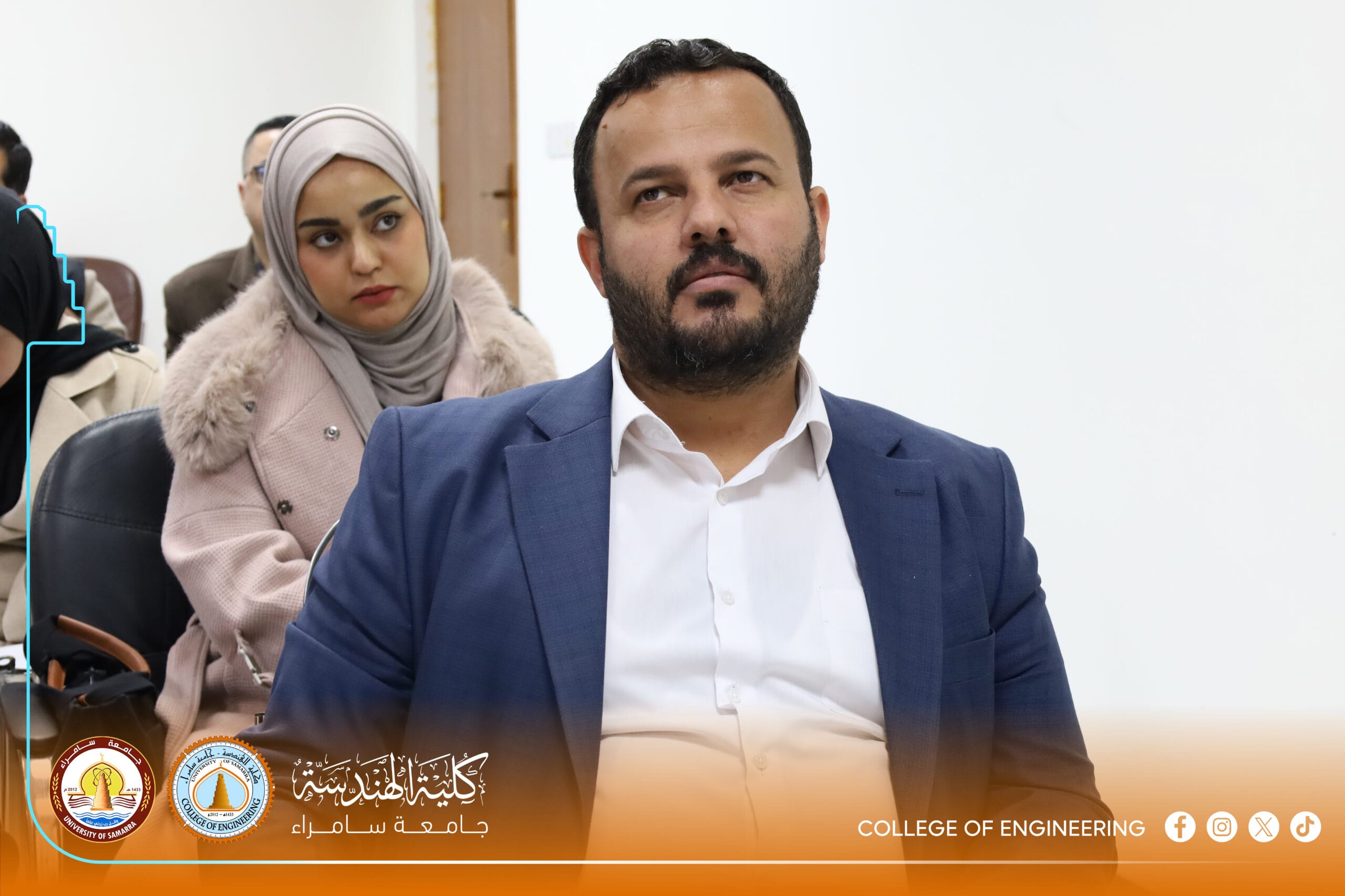
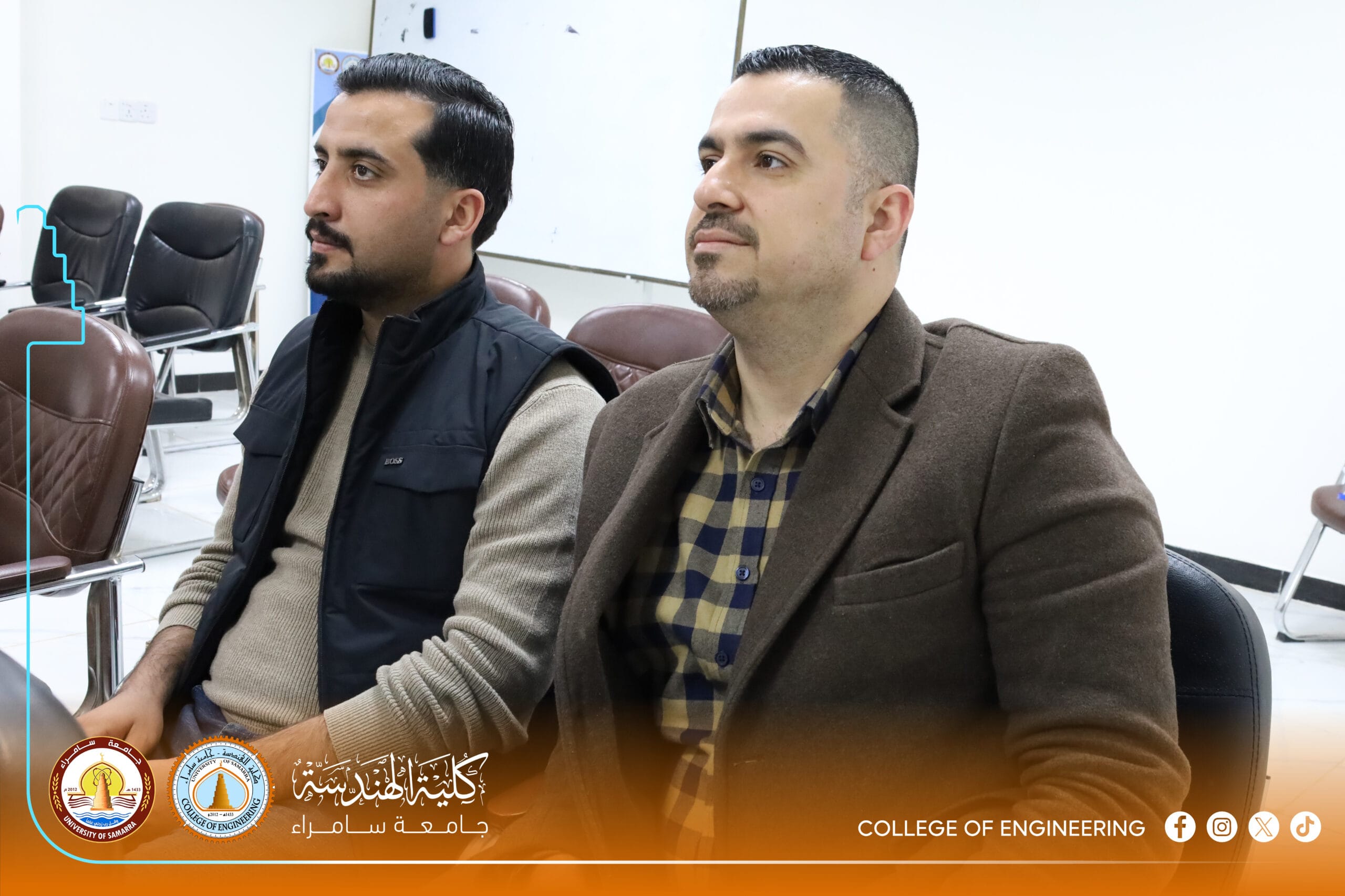
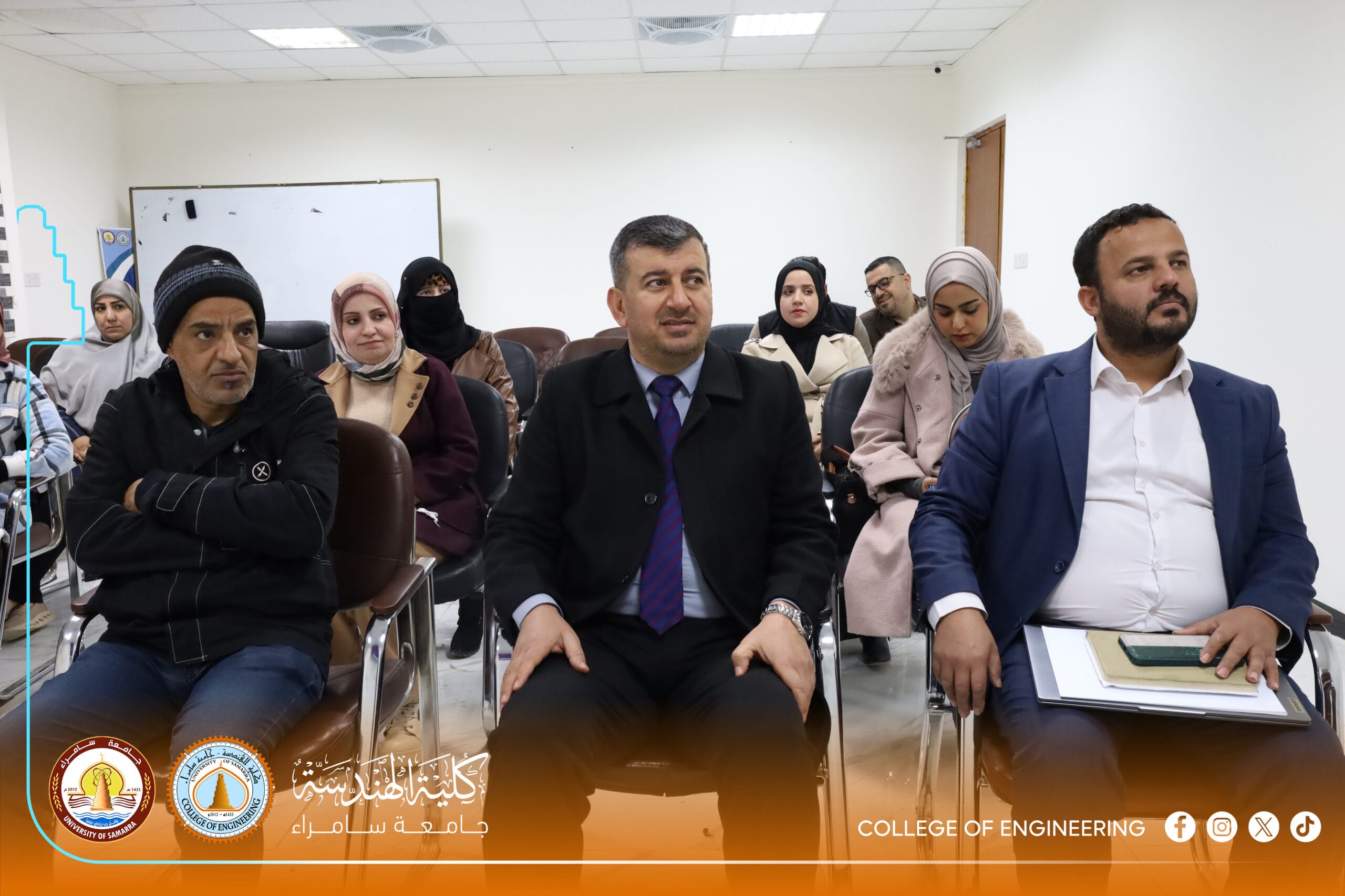
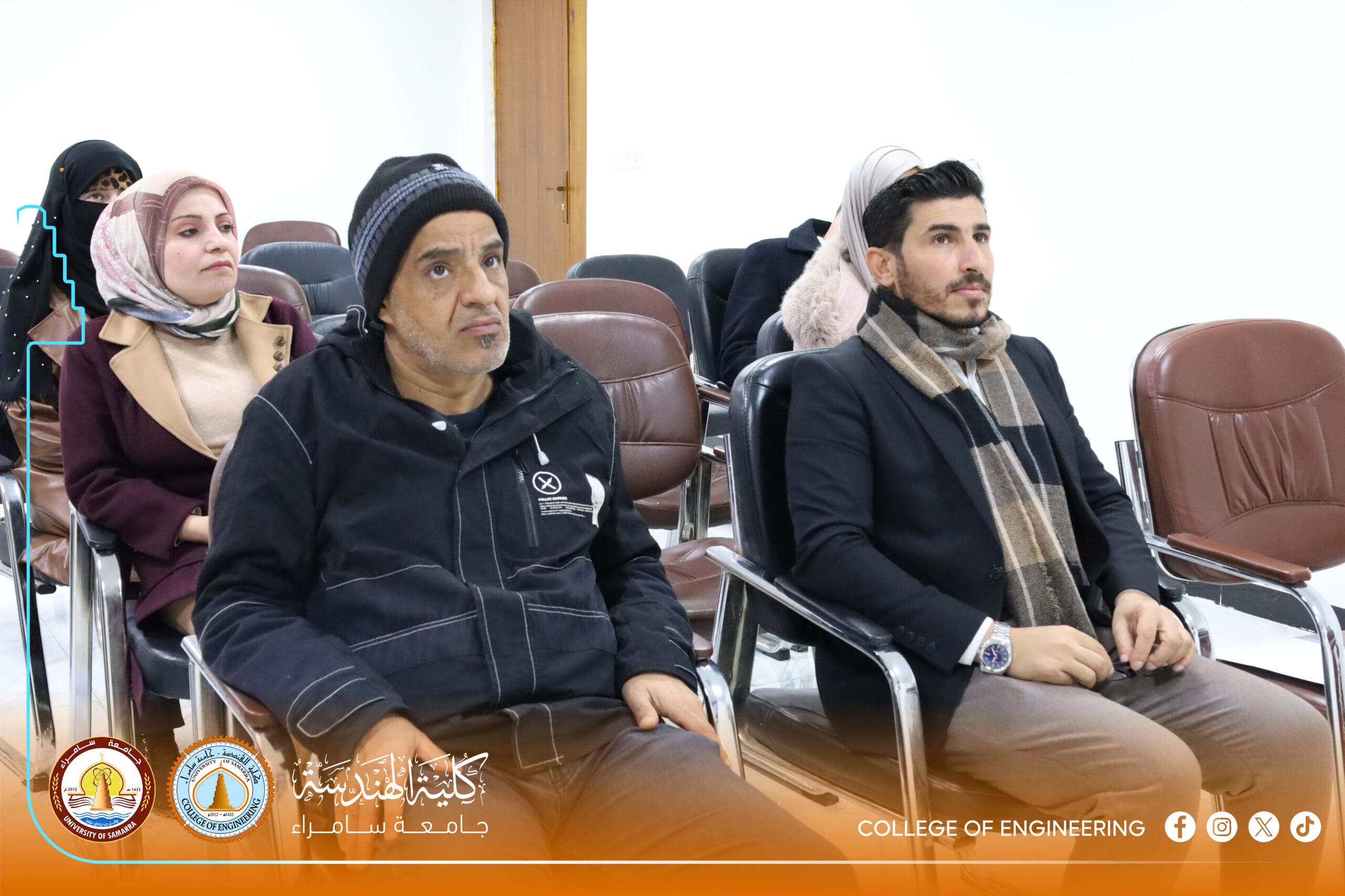
The session was attended by the Dean of the College and the Scientific Associate, along with a group of faculty members and engineers. Participants enriched the session with their interventions, praising the scientific and administrative value of the topics presented. They commended the efforts in organizing such events that enhance legal culture and develop the professional performance of staff to ensure the protection of their employment rights.