Faculty of Agriculture discusses the sustainability of food production in aquaponics
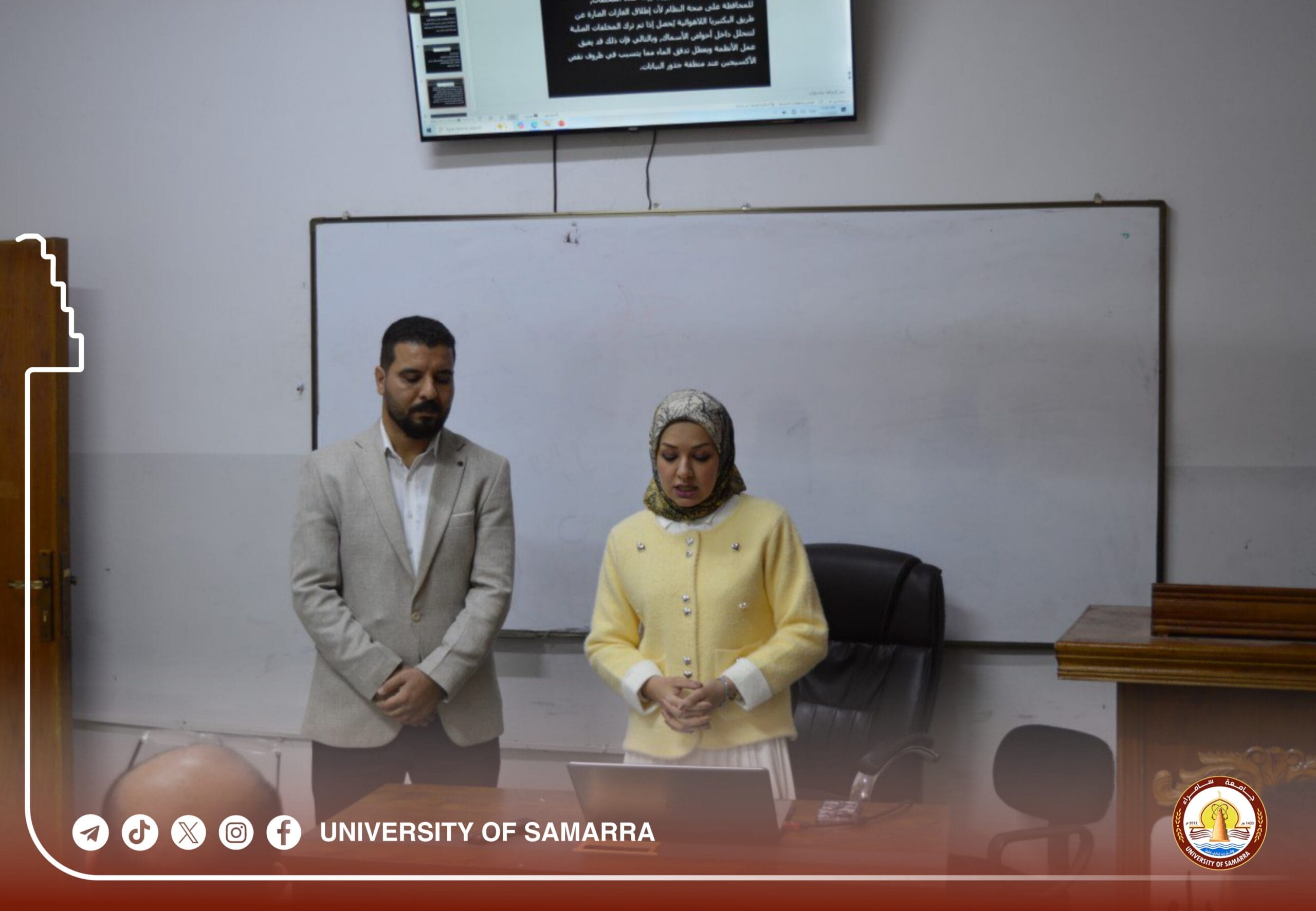
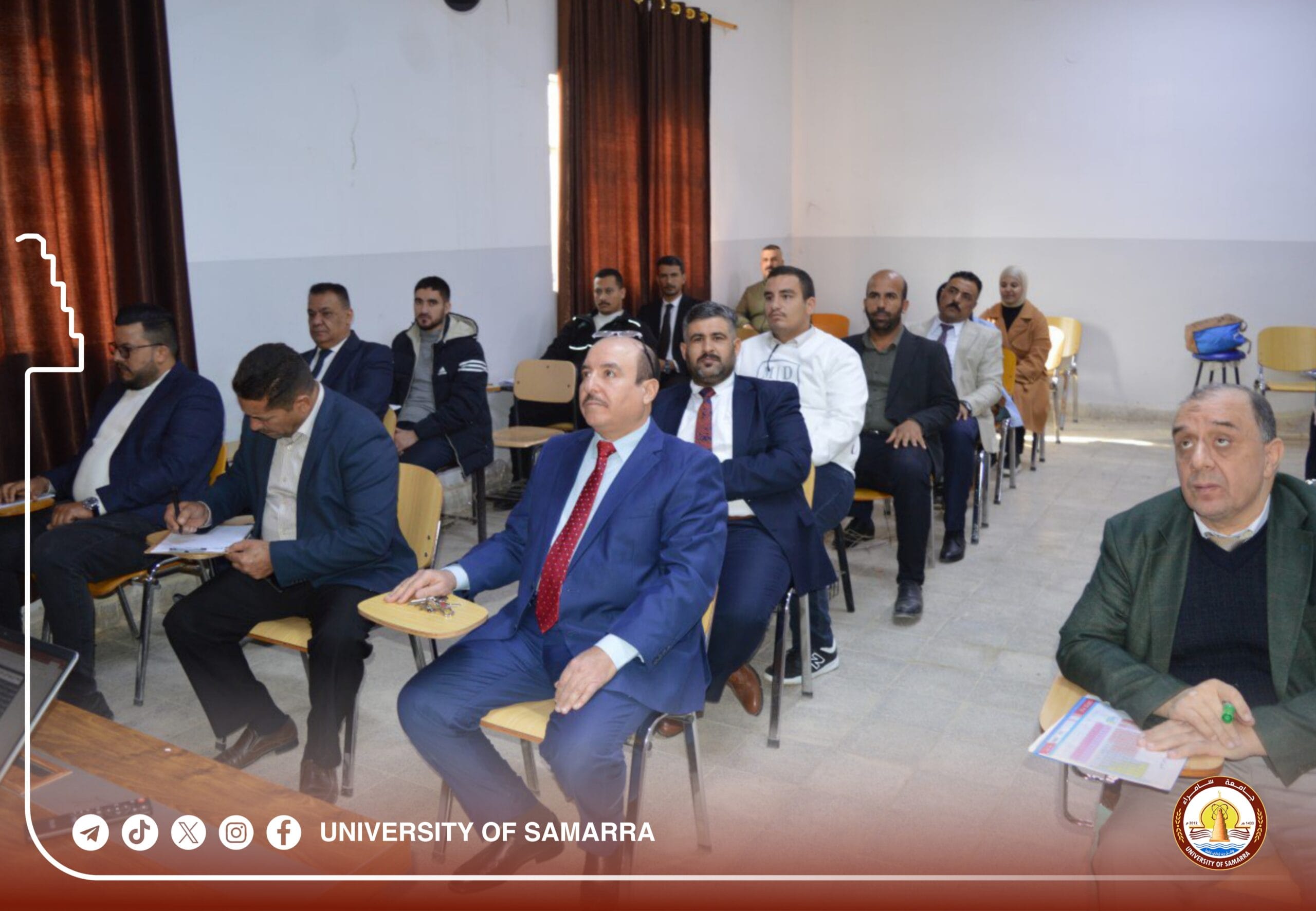
The Faculty of Agriculture at the University of Samarra discussed “Aquaponics and its role in achieving agricultural sustainability” in a scientific symposium presented by a group of the faculty’s professors, aimed at introducing modern agricultural techniques that help raise production efficiency and rationalize the use of natural resources.
The symposium focused on the concept of aquaponics as an integrated system that combines fish farming and plant cultivation in a closed water-recycling system, which enables the production of fish and vegetables at the same time and achieves high efficiency in the use of water and resources.
The presenters reviewed the system’s basic components, consisting of a fish tank that provides natural nutrients for the plants, a cultivation unit that absorbs these nutrients, in addition to a water-circulation system that transports nutrient-rich water to the plants and then returns it clean to the fish tank.
They also pointed to the types of aquaponics systems, including the Nutrient Film Technique (NFT) system, Deep Water Culture (DWC) system, and growing media systems such as gravel or expanded clay.
It is noted that this system achieves many benefits, most notably water-use efficiency through continuous recycling, increased production by combining fish and plant production, reduction of the need for chemical fertilizers by relying on nutrients produced from fish waste, as well as reduced environmental impact since it is a closed system that limits pollution.