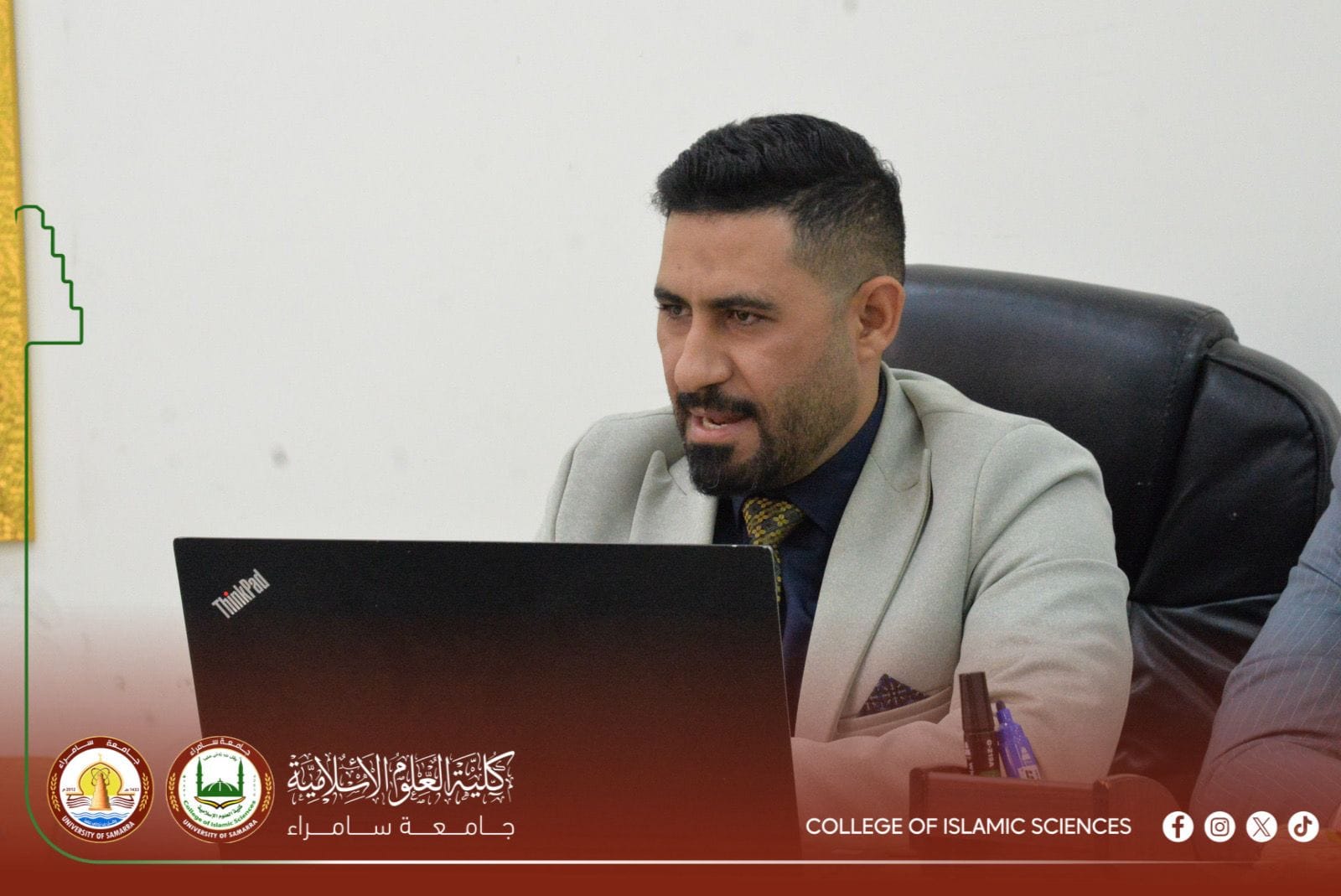
Scientific Course Highlights Ethical Economy as an Approach to Achieving Contemporary Development
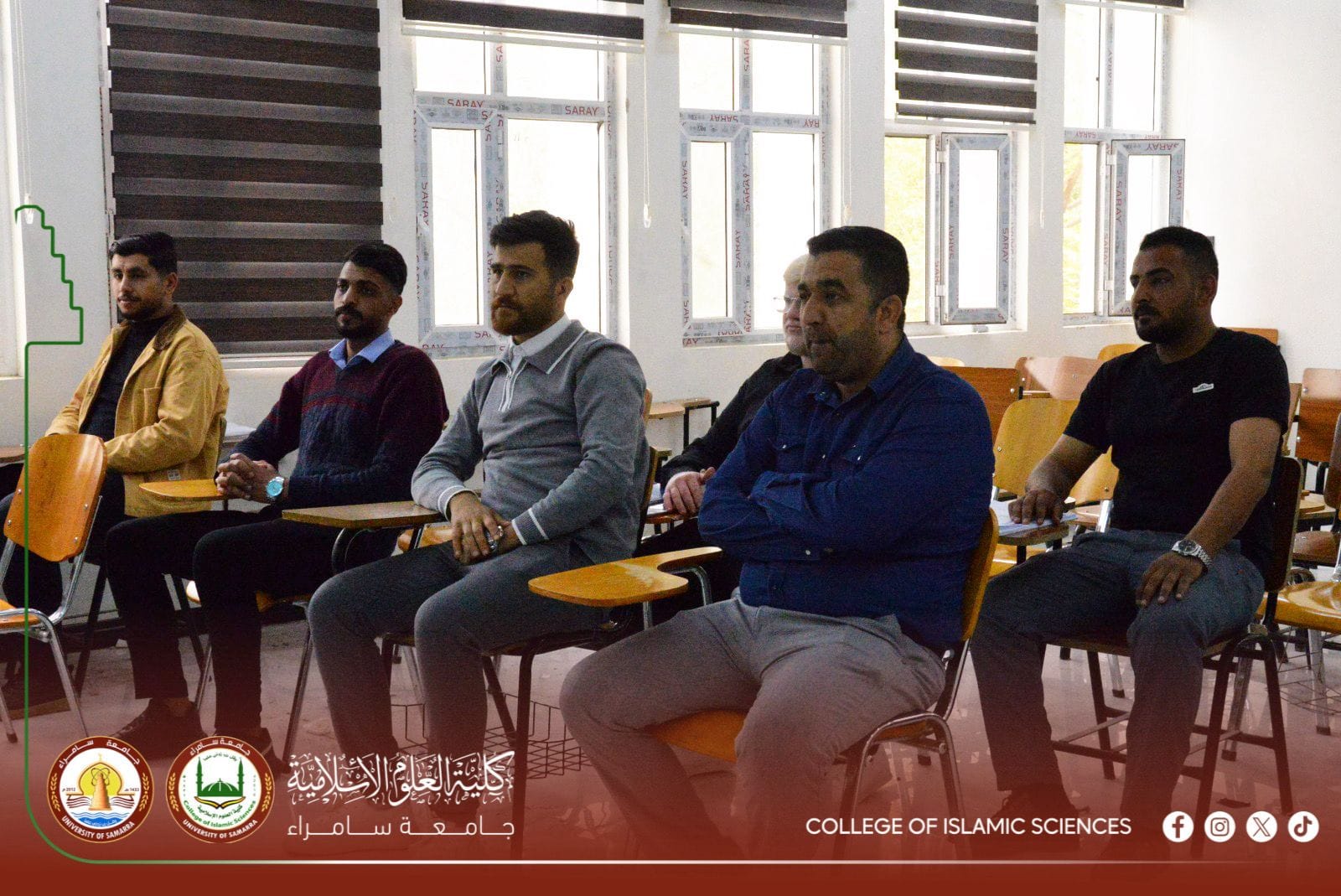
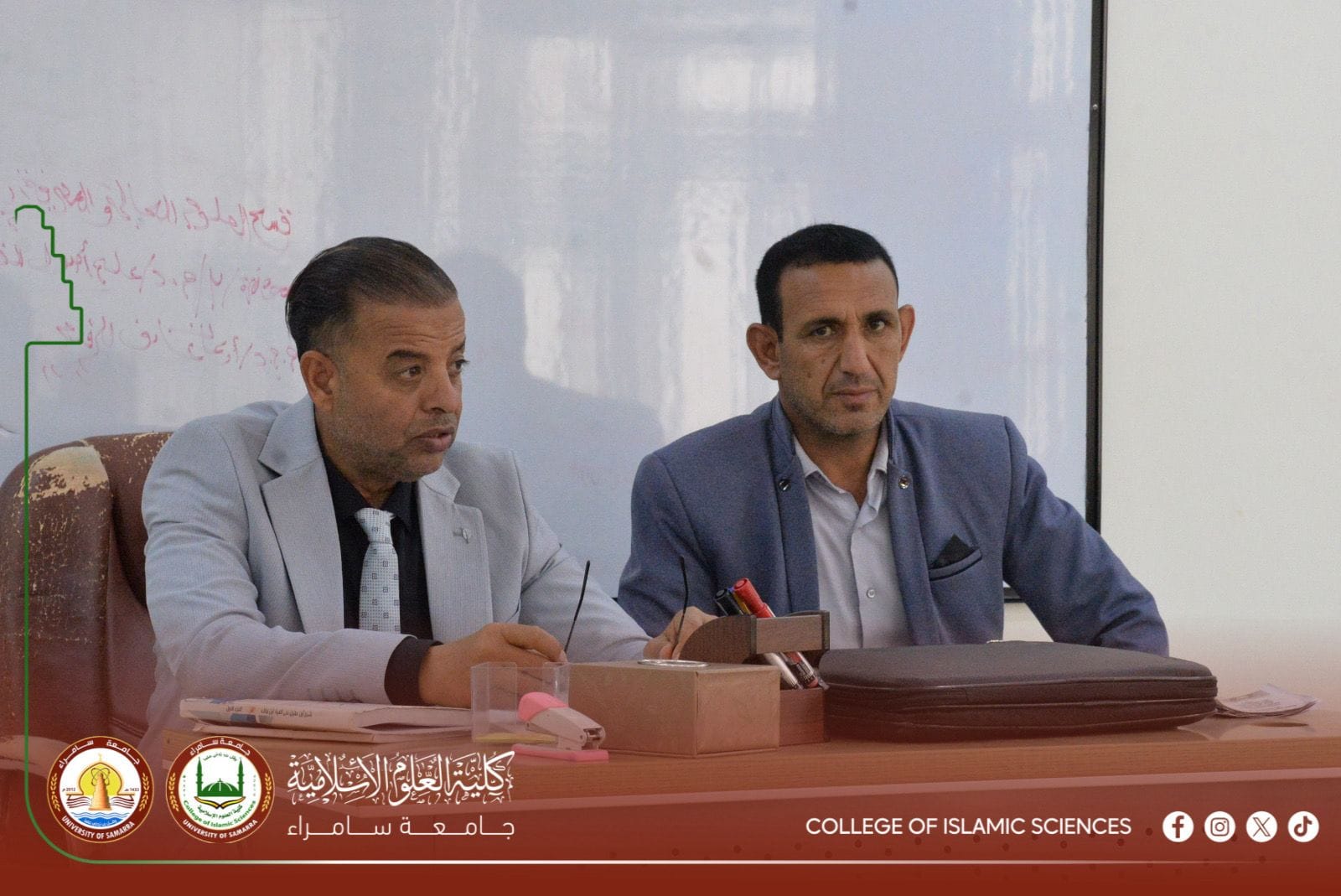
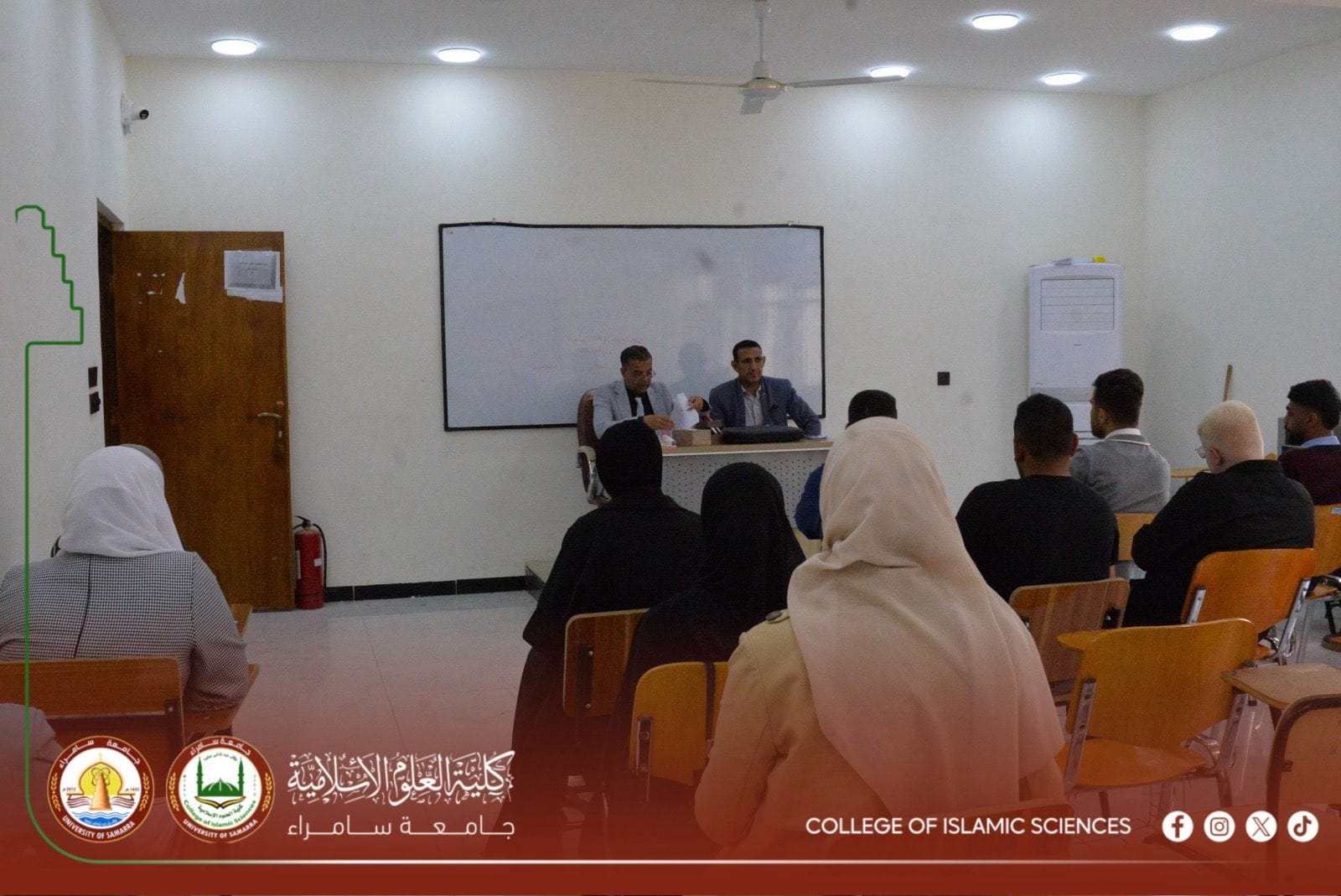
The Department of Finance and Banking at the College of Islamic Sciences organized a scientific course titled “Ethical Economy – A Sharia-Based Vision for Contemporary Development.”
The course aimed to shed light on modern economic concepts in light of Islamic values and principles, and to demonstrate their role in achieving sustainable and balanced development.
The course addressed the concept of the ethical economy as an integrated system that links economic activity with moral values derived from Islamic Sharia. In this framework, wealth is not viewed as an end in itself, but as a means to achieve human welfare and the development of the earth. The course emphasized that Islamic Sharia has laid the foundations of this model through the promotion of justice, the prohibition of usury (riba), the encouragement of social solidarity, and the reinforcement of honesty and trustworthiness in transactions.
It also clarified the fundamental differences between ethical economy and materialistic economy, noting that the former seeks to achieve the public good and ensure fair wealth distribution, while the latter focuses on profit maximization, sometimes at the expense of human values.
The course further highlighted that adopting an ethical economy contributes to poverty reduction, enhances economic stability, and builds trust within society.
Additionally, it explored key contemporary applications of this model, including Islamic banking, the waqf system (endowment), and principles of social responsibility, along with discussing the major challenges facing its implementation—most notably the dominance of conventional economic systems and the lack of ethical awareness.
The course concluded by emphasizing that achieving genuine and sustainable development requires adopting a value-based economic model that combines economic efficiency with social justice, within a framework of Sharia principles that ensures a balance between individual and societal needs.