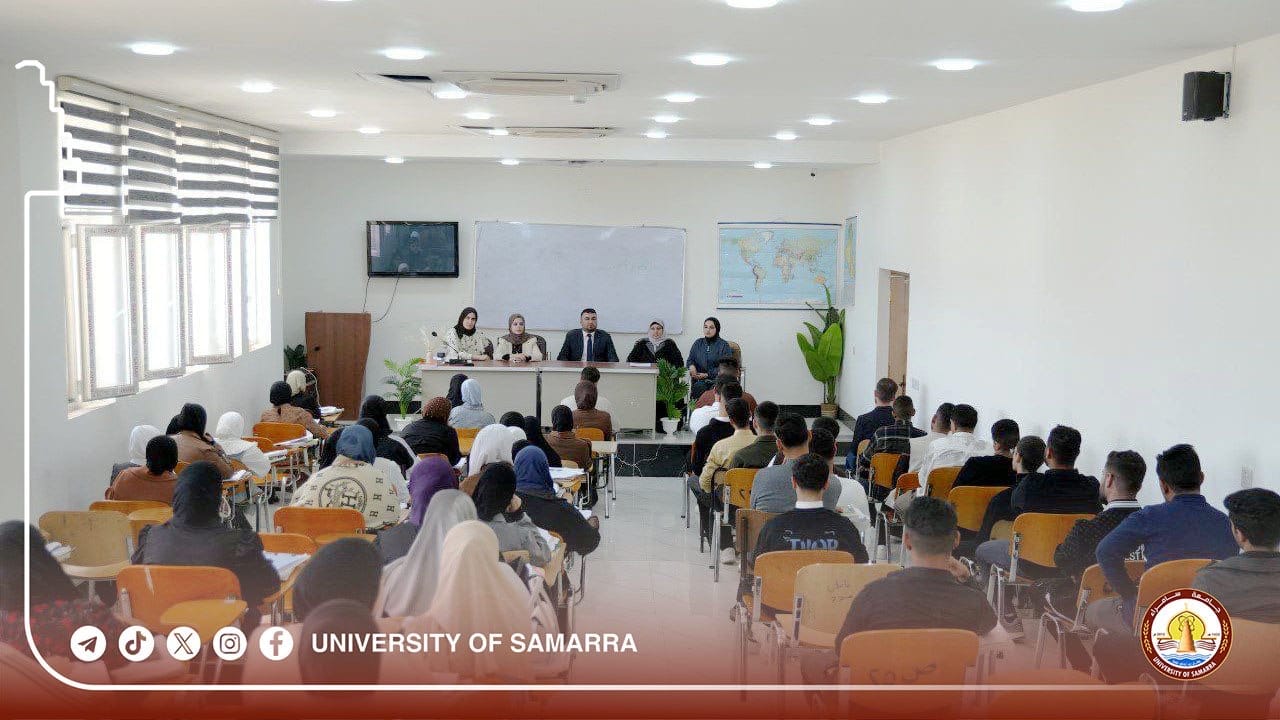
The Department of Geography at the College of Education for Human Sciences Organizes a Scientific Symposium on the Spread of Suicide: Causes and Methods of Treatment
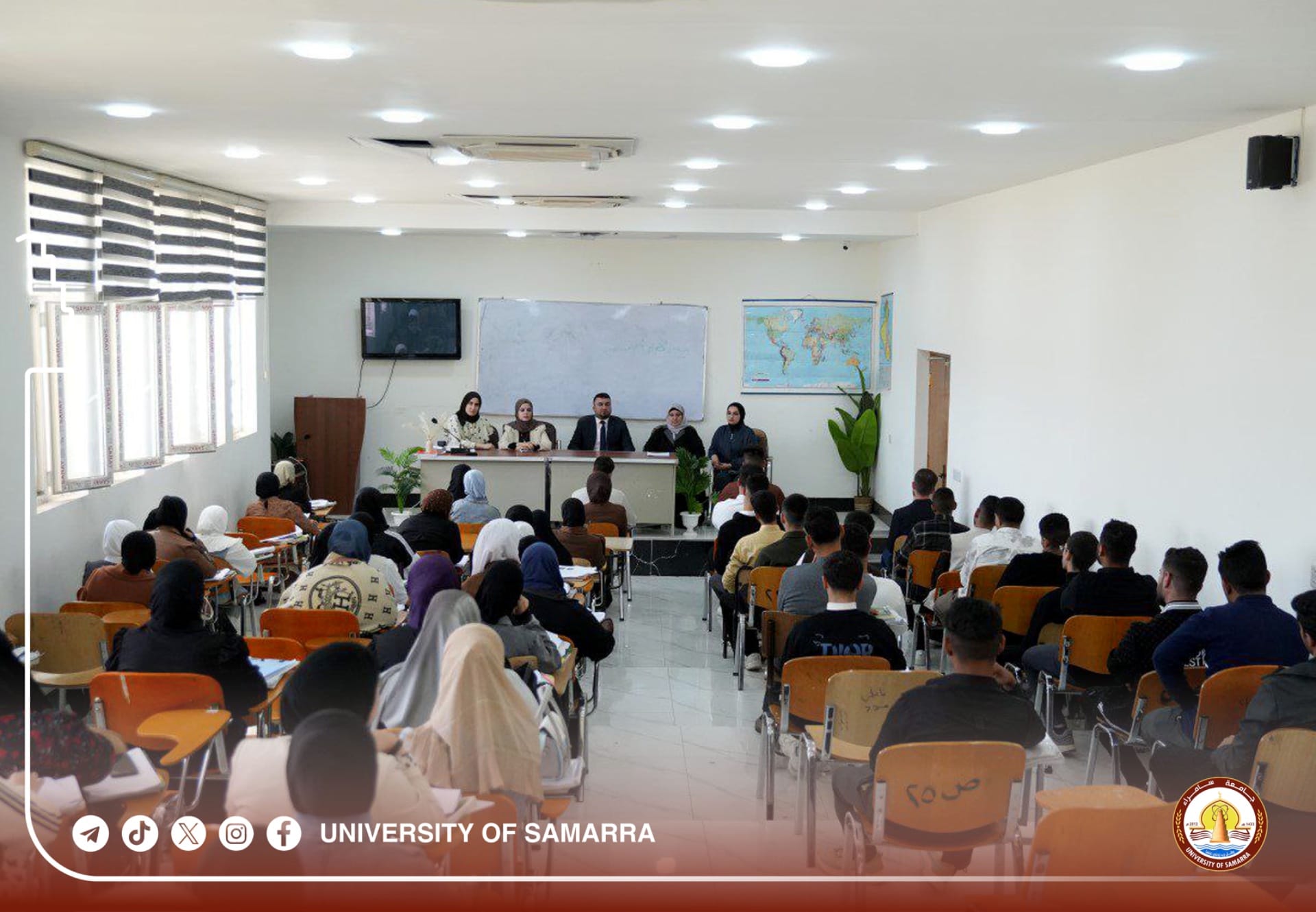
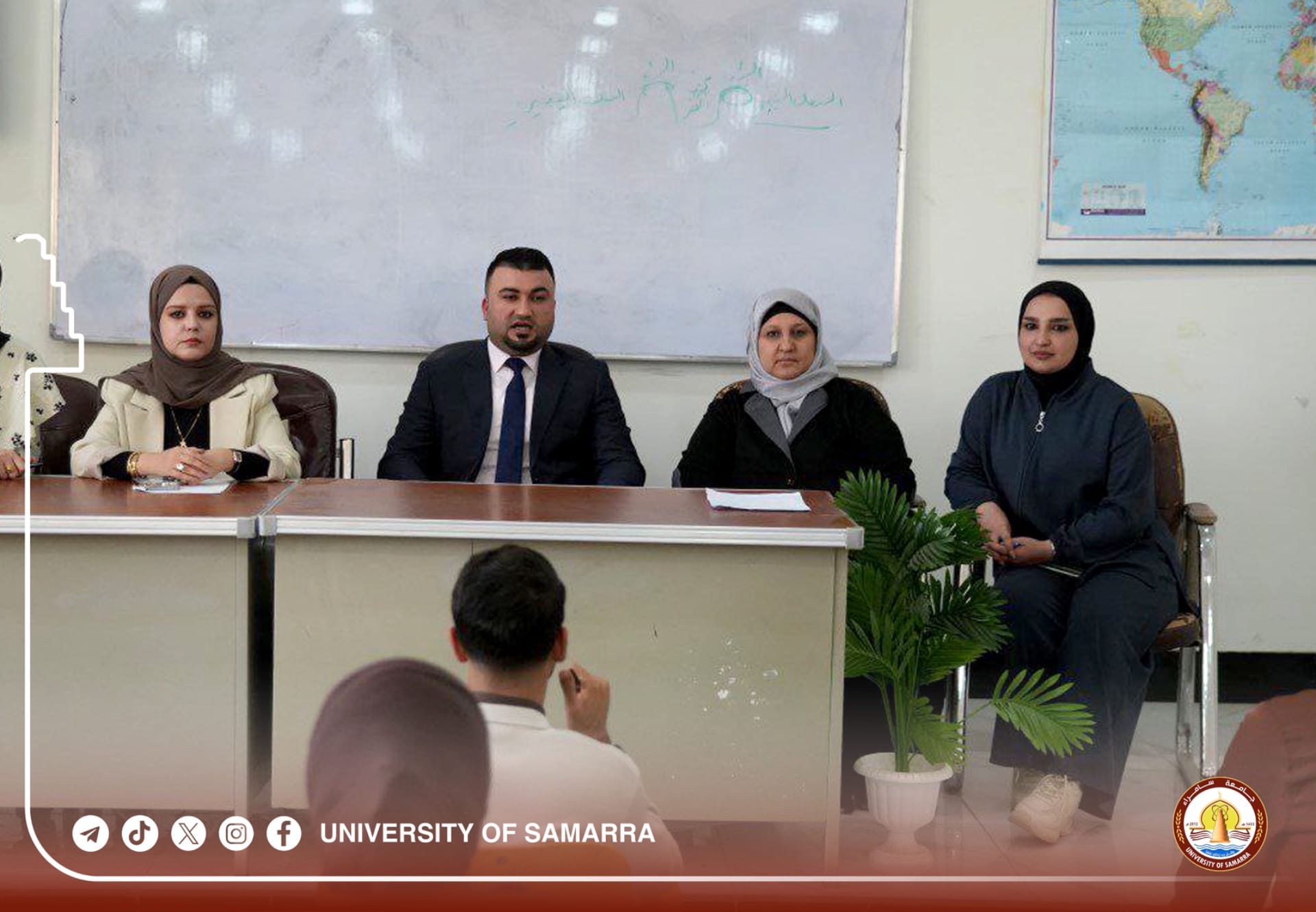
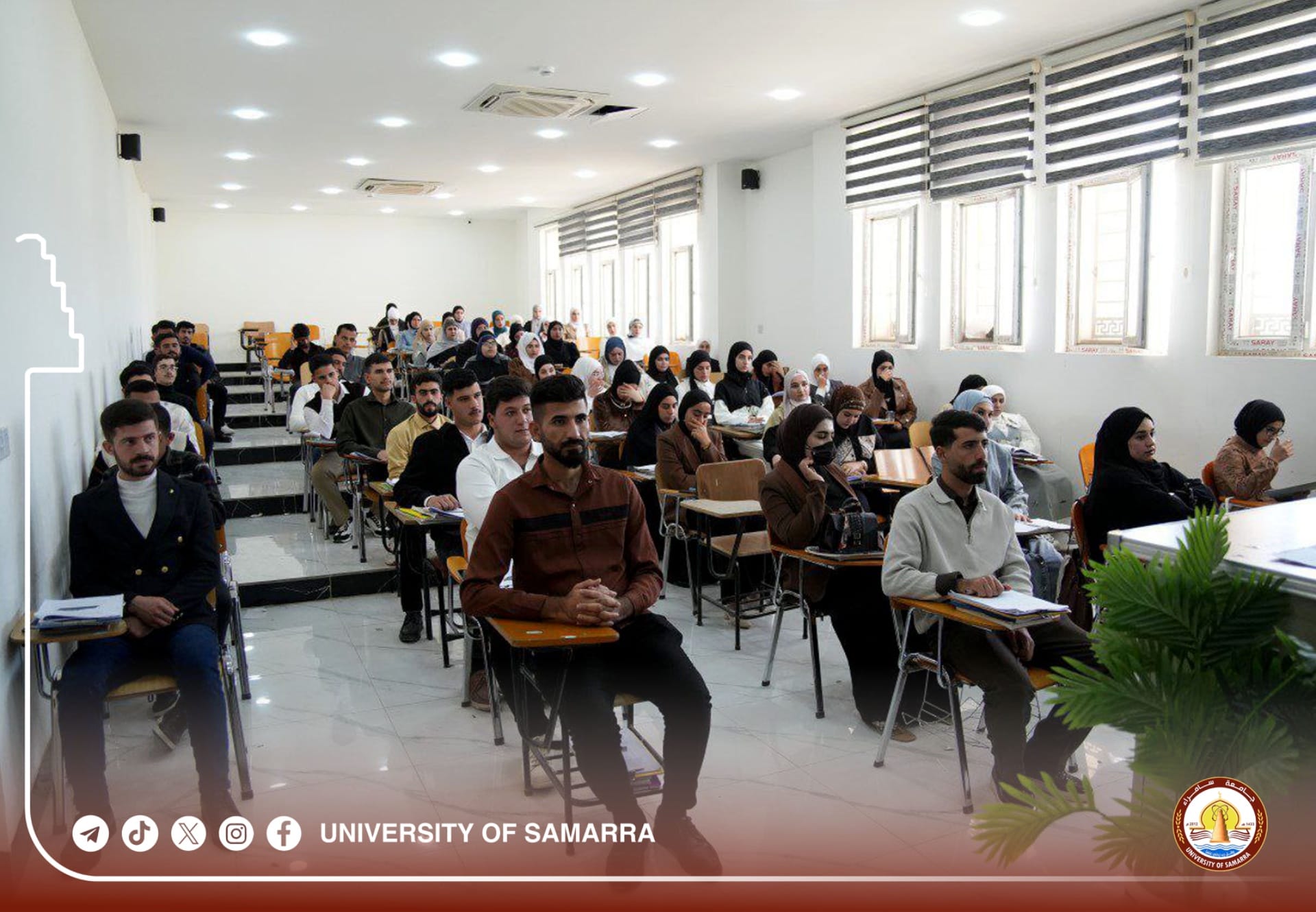
The Department of Geography at the College of Education for Human Sciences – University of Samarra, organized a scientific symposium titled: “The Spread of the Phenomenon of Suicide: Causes and Methods of Treatment,” presented by Dr. Noureddine Faisal Ibrahim, Assist. Lect. Hanouda Ahmed Jassim, and Assist. Lect. Doha Mahmoud Ayash.
At the beginning of the symposium, the lecturers clarified the root of the concept, stating that suicide is a deliberate behavior arising from a complex interaction between psychological, social, economic, and cultural factors. It cannot be reduced to a single cause; rather, it is the result of accumulated pressures.
Therefore, addressing it requires a holistic approach that moves beyond mono-causal explanations.
Regarding the causes, the lecturers identified psychological disorders—particularly depression, anxiety, and psychological trauma—as prominent influencing factors, along with feelings of hopelessness and loss of meaning.
In the same context, they pointed to family disintegration, weak social bonds, isolation, and bullying as factors contributing to an exacerbated sense of loneliness.
Furthermore, economic pressures such as unemployment, accumulated debt, and job instability were addressed due to their direct impact on increasing psychological stress levels.
From a media perspective, the symposium emphasized the importance of professional and disciplined reporting.
Irresponsible coverage may lead to counterproductive results, necessitating clear ethical guidelines when handling such sensitive issues.
Conversely, conscious media can contribute to spreading a culture of hope and seeking help.
Regarding treatment methods, the lecturers stressed the necessity of strengthening mental health programs within educational institutions, developing psychological counseling and advisory services, and establishing specialized support channels.
They emphasized the importance of economic and social empowerment for youth and solidifying awareness discourse that promotes the value of life and combats despair.
In conclusion and according to the mentioned information, the symposium determined that confronting this phenomenon requires the integration of roles between educational, health, media, and religious institutions, contributing to building a supportive environment that fosters belonging and hope, and preserves the community’s human resources.