The College of Pure Sciences Education Seminar Clarifies the Impact of Cutaneous Leishmaniasis on Children
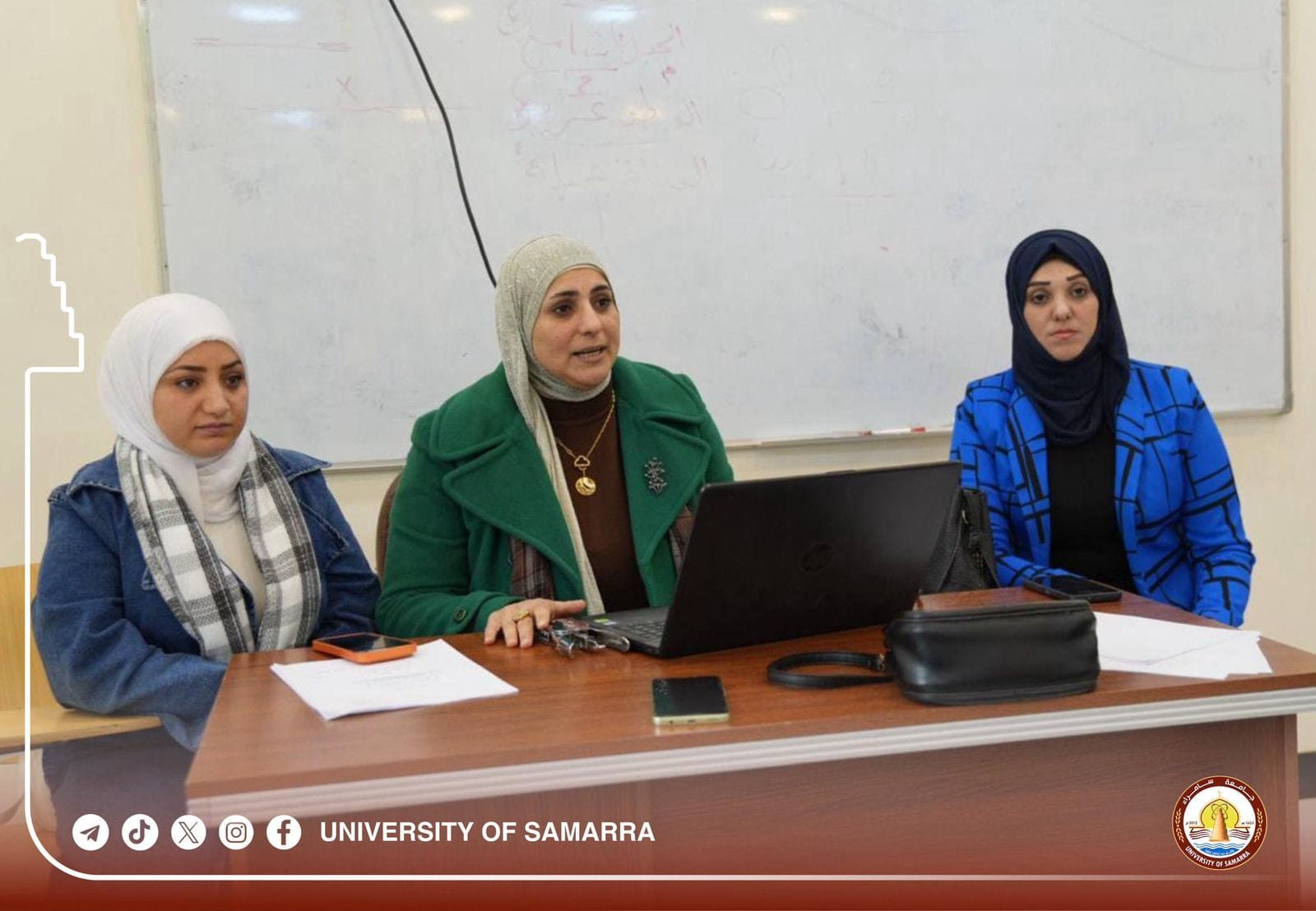
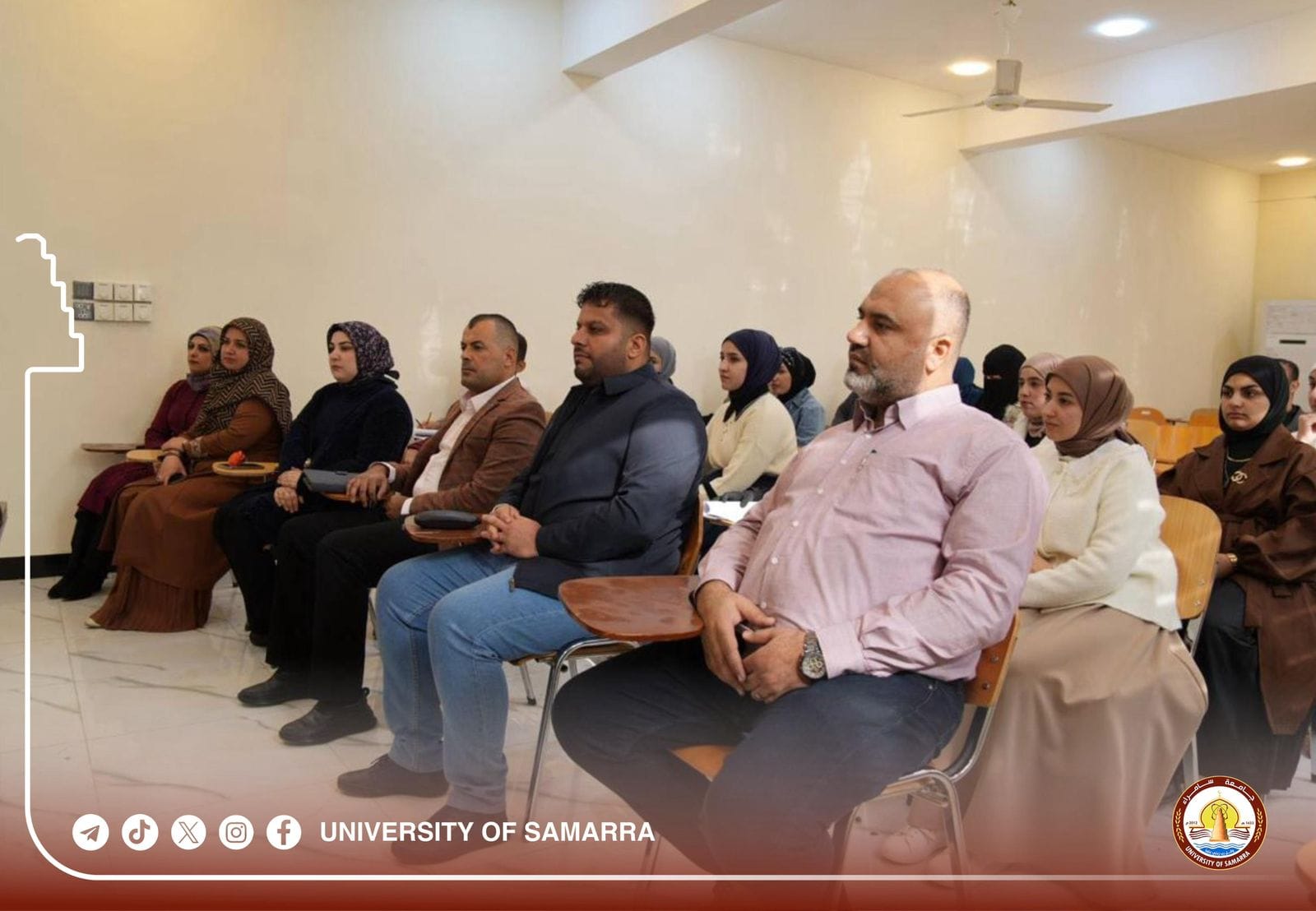
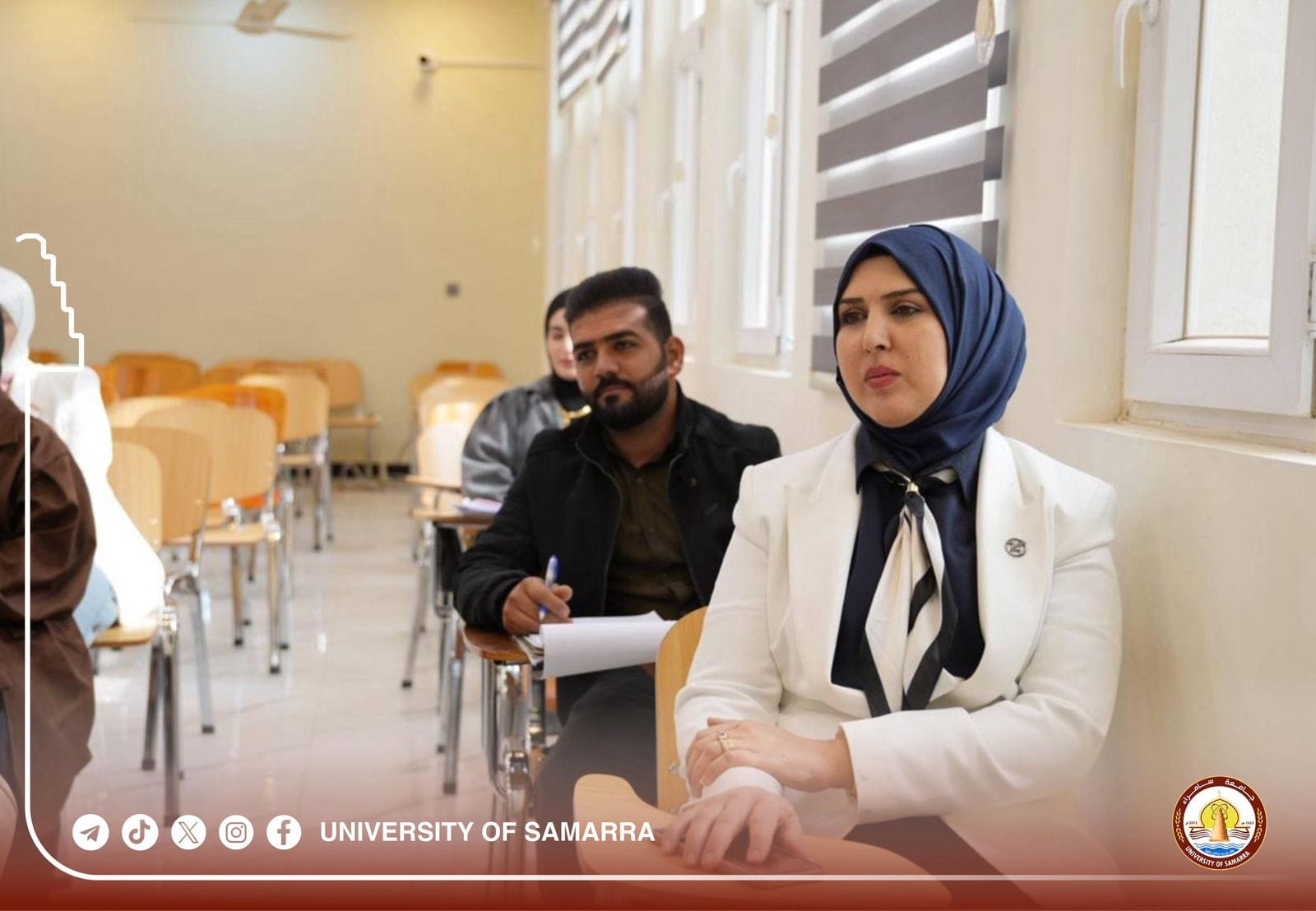
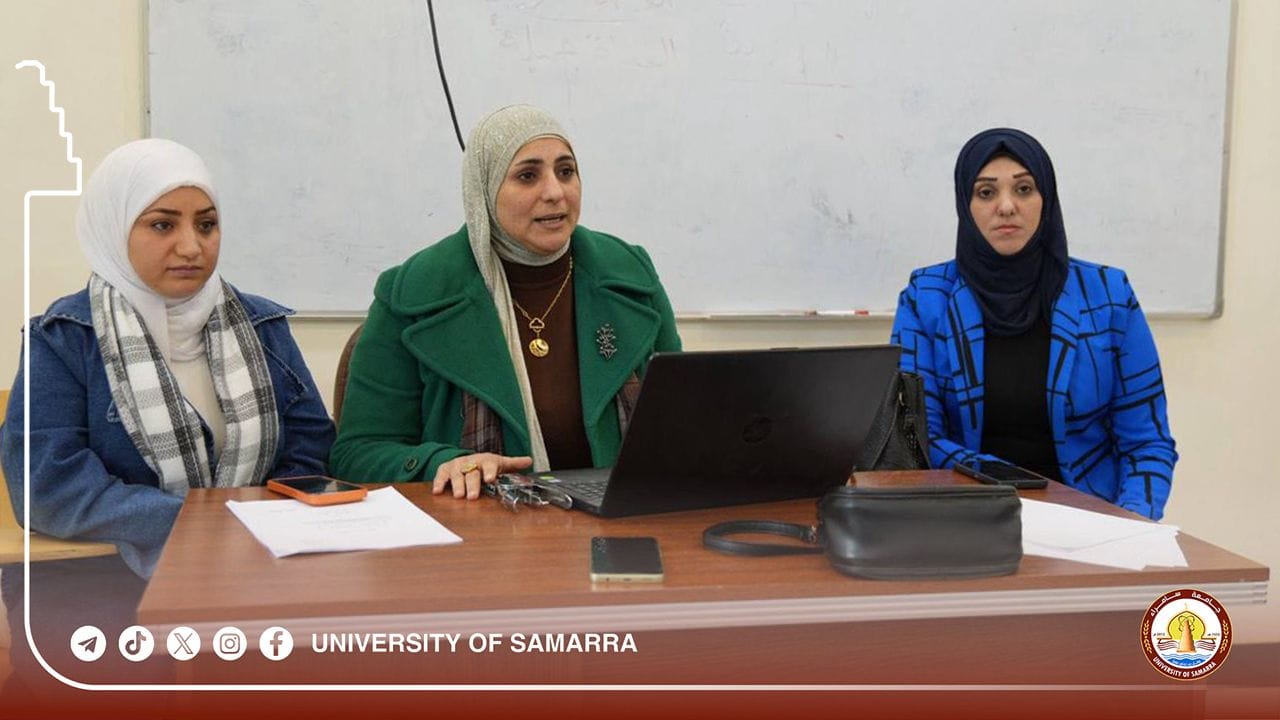
The Department of Life Sciences, College of Pure Sciences Education, University of Samarra, presented a scientific seminar titled “The Impact of Cutaneous Leishmaniasis on the Psychological Well-being of Children,” delivered by Dr. Nibras Abdulaziz Hamoud, with Dr. Marwa Bassam Saleh and the Assist.Lect. Wasan Abdulhamid Hussein.
The organizers’ objective was to define cutaneous leishmaniasis and its impact on children’s mental health. According to my understanding, Nibras described it as a parasitic disease that affects children and is transmitted by insects, causing noticeable scars on the face or body, and it is commonly referred to as “Baghdad’s Zit.” The disease typically leaves visible skin scars, usually in exposed areas such as the face or extremities.
Dr. Marwa noted that physical changes lead to a decrease in the child’s self-confidence due to feeling different from peers, which increases anxiety, shyness, and fear of others’ perceptions or comments. This can also lead to social isolation and avoidance of play or participation in school activities, especially in environments where bullying or social stigma is prevalent.
In her closing remarks, Wasan proposed a set of solutions, the most important being a holistic approach to leishmaniasis that combines early medical treatment with psychological and social support. She also emphasized the family’s role in boosting the child’s self-confidence and the school’s role in providing a safe, supportive environment that protects the child from bullying, thereby promoting social integration and positively impacting psychological health and quality of life.